Lanzarote
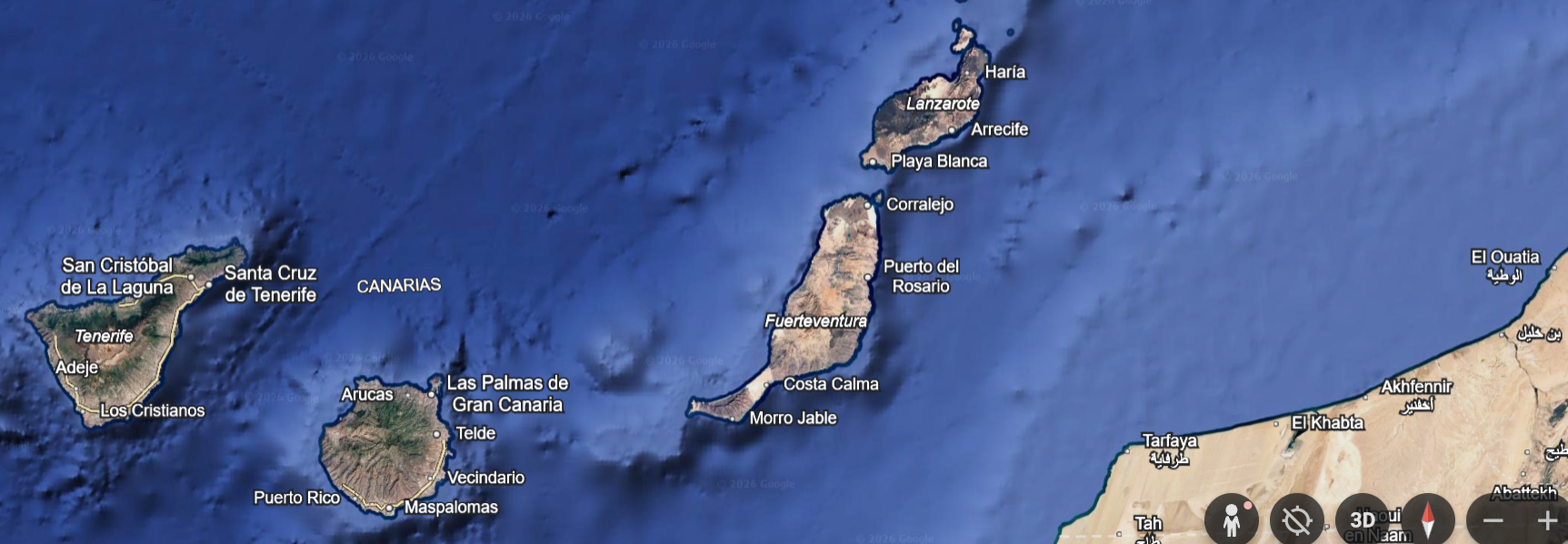
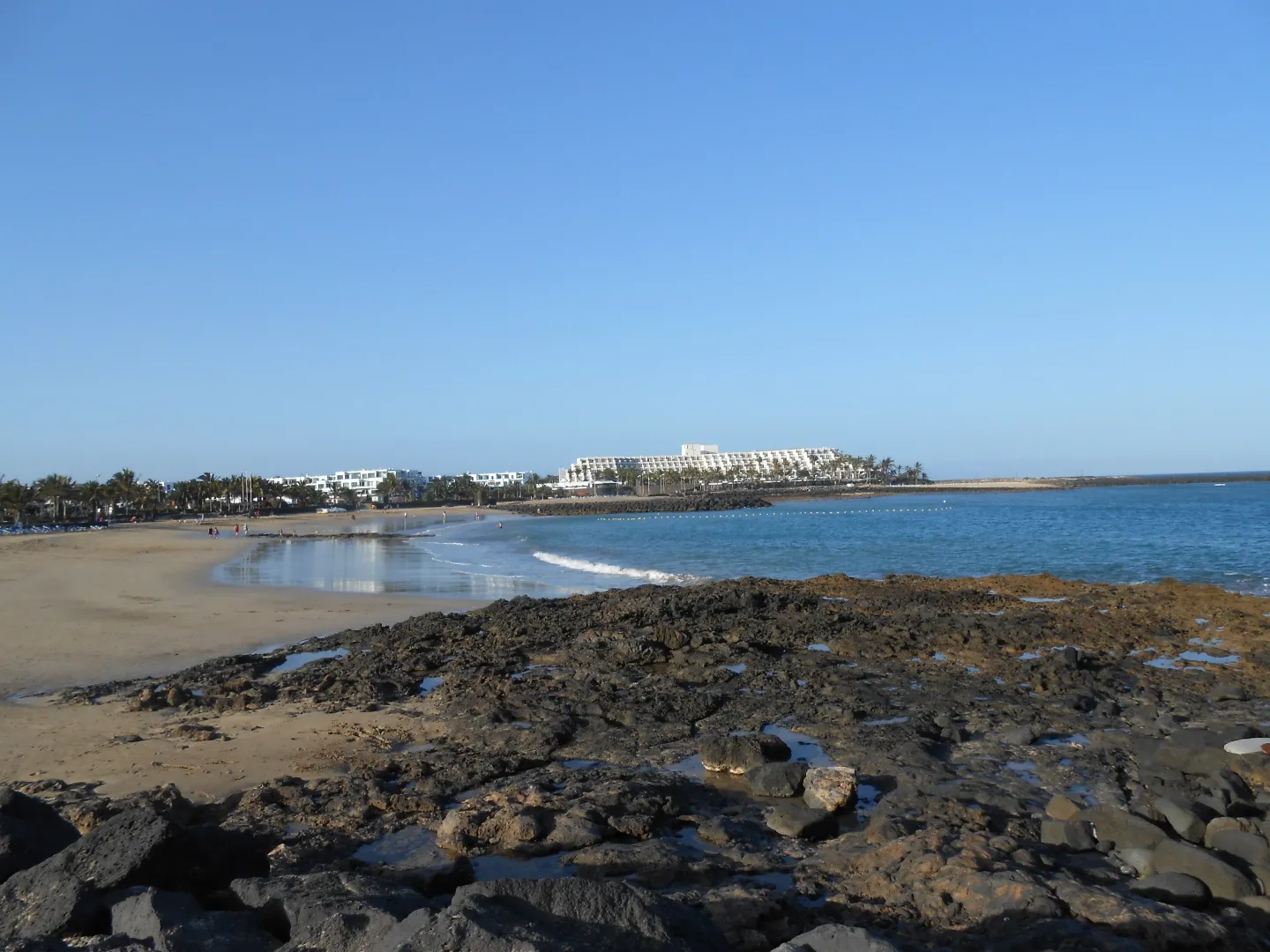
We visited Lanzarote during our stay on Fuerteventura. We took a ferry from Corralejo to Playa Blanca and spent three days and two nights in Costa Teguise.
The whole island of Lanzarote was designated a UNESCO Biosphere Reserve in 1993 becoming the first entire island in the world to receive this status. Lanzarote deserved this recognition because of its unique geology, volcanic landscape, and the work of artist architect and nature activist César Manrique.
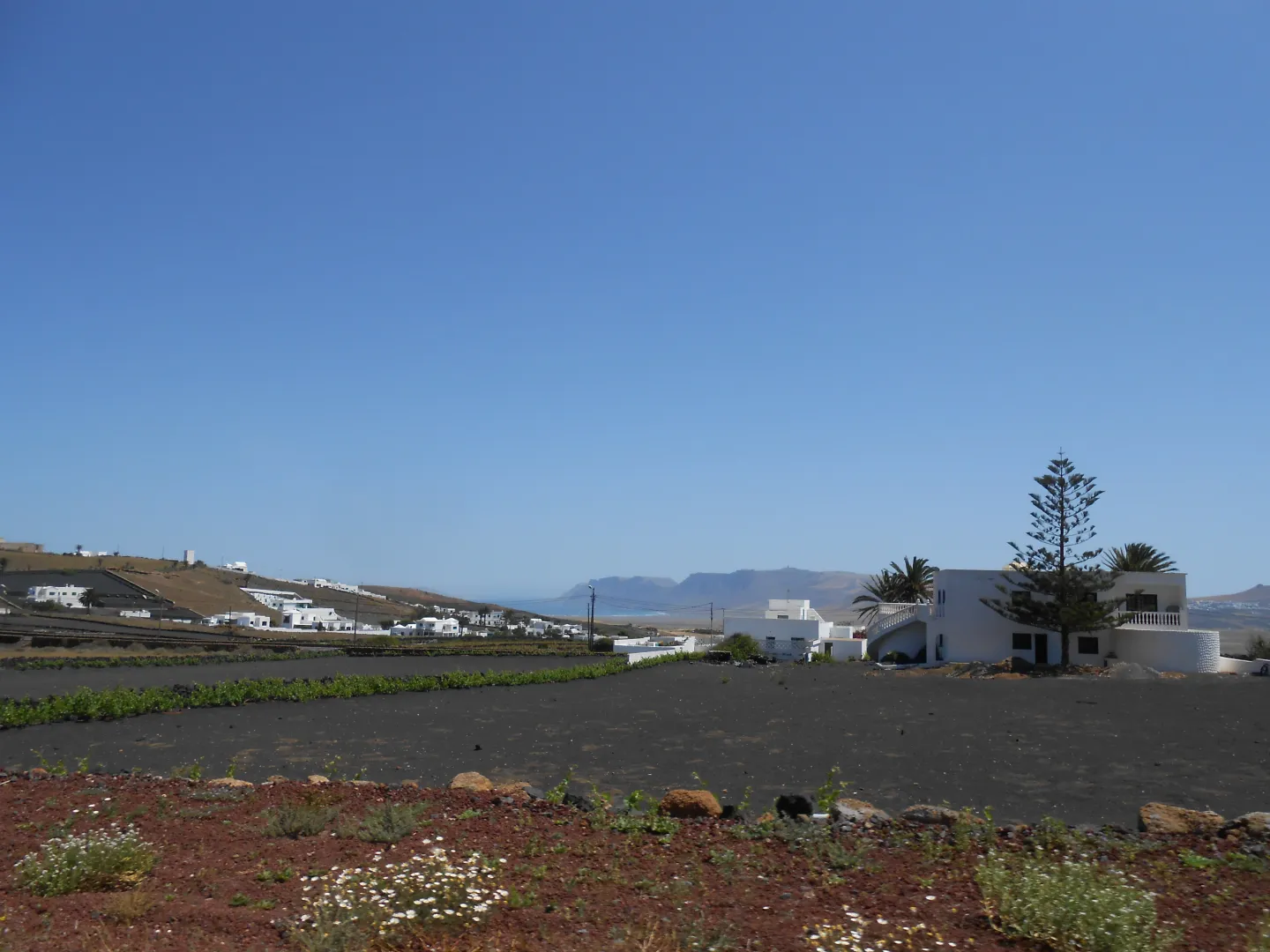
His vision was to allow sustainable tourism, agriculture and housing to coexist with nature. The island is an example of how humans can build and develop an island without destroying nature—in fact, protecting and showcasing the uniqueness of the landscape.
More information and examples of his work:
Lanzarote’s landscape
Lanzarote and Fuerteventura are the oldest islands of the archipelago. Lanzarote emerged around 15 million years ago.
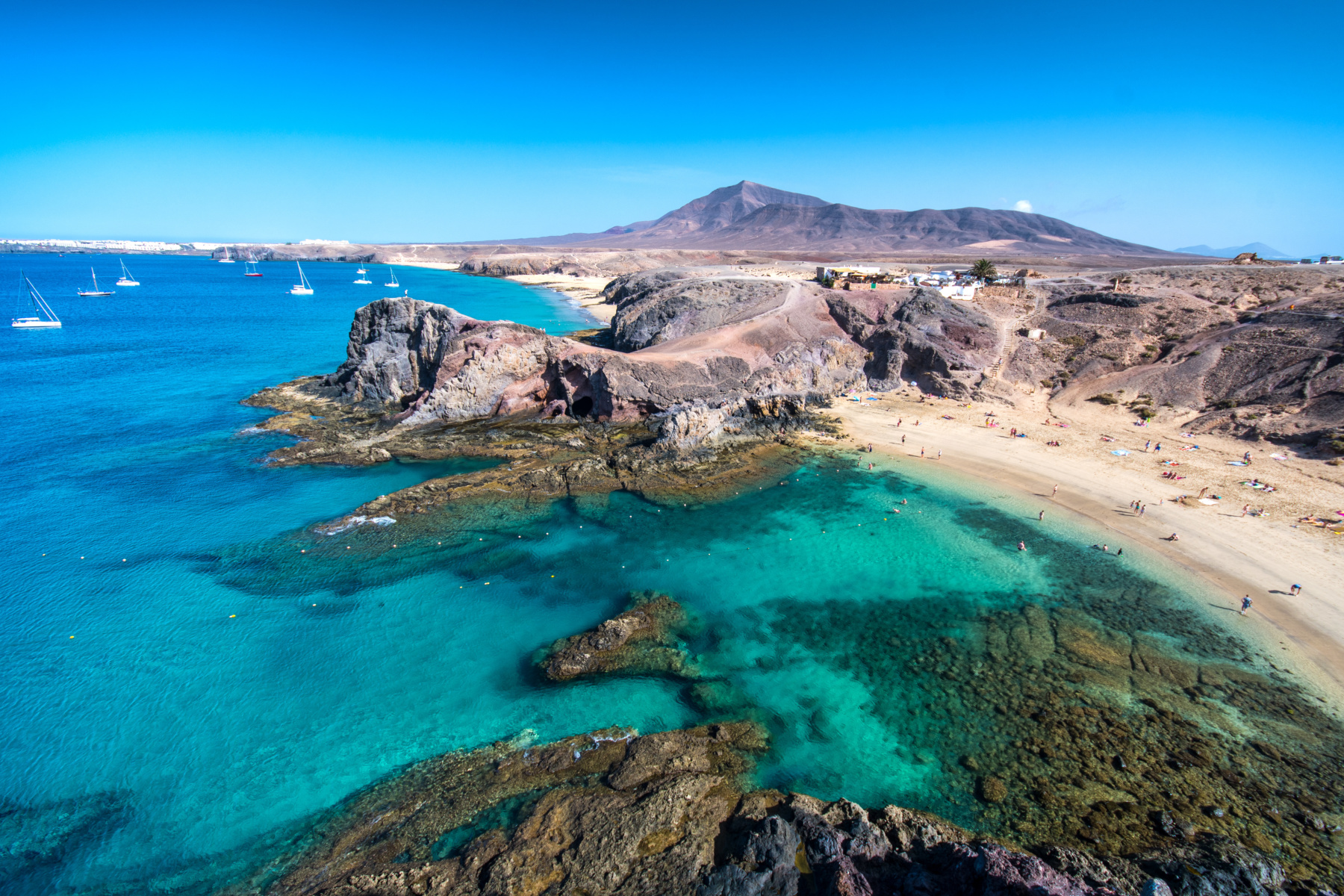
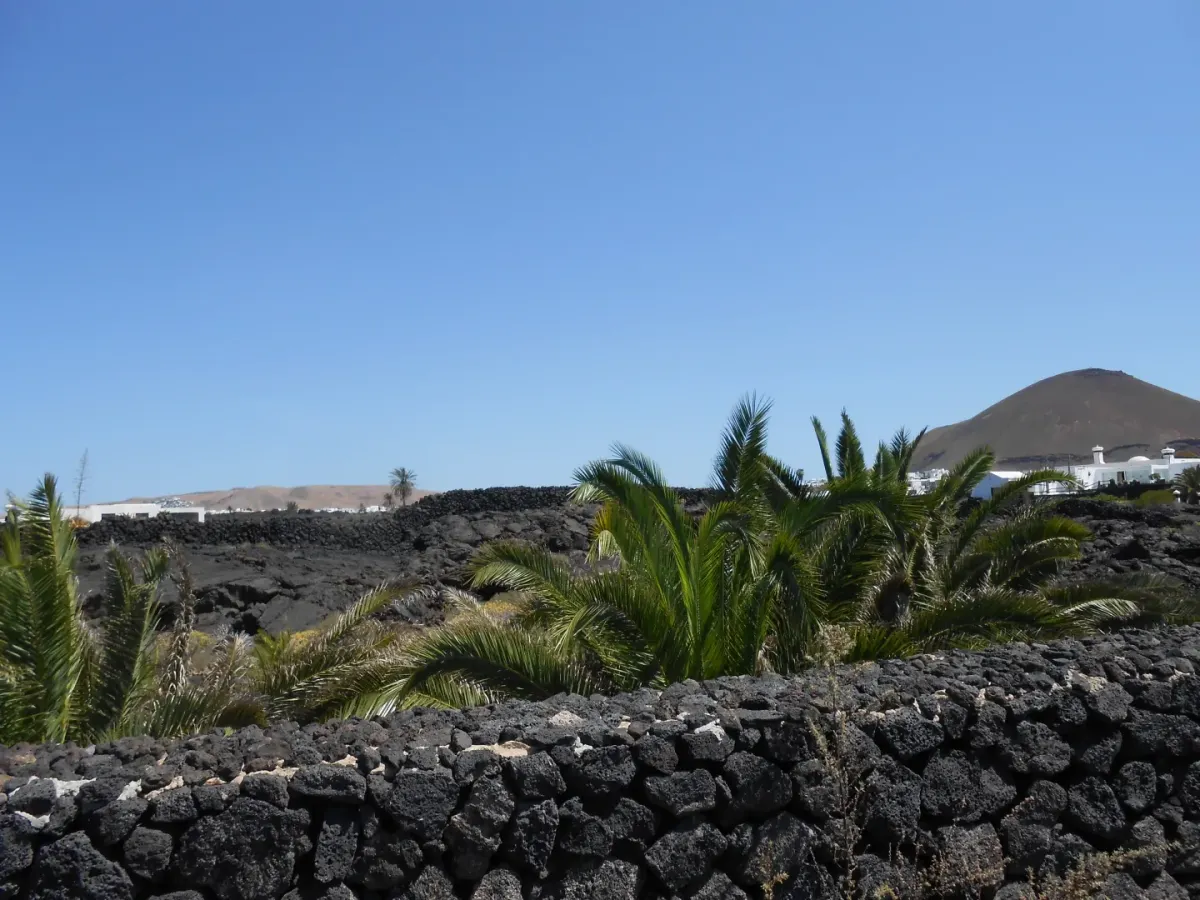
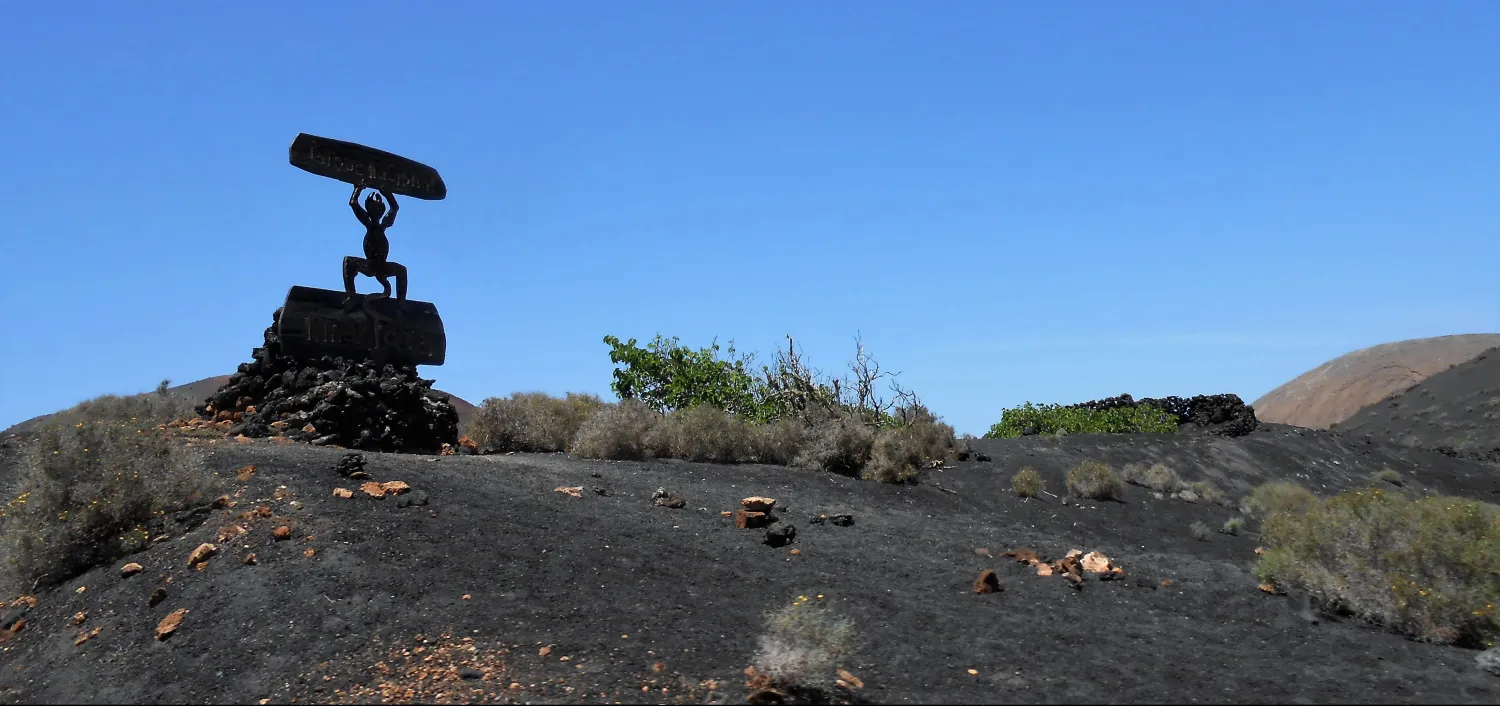
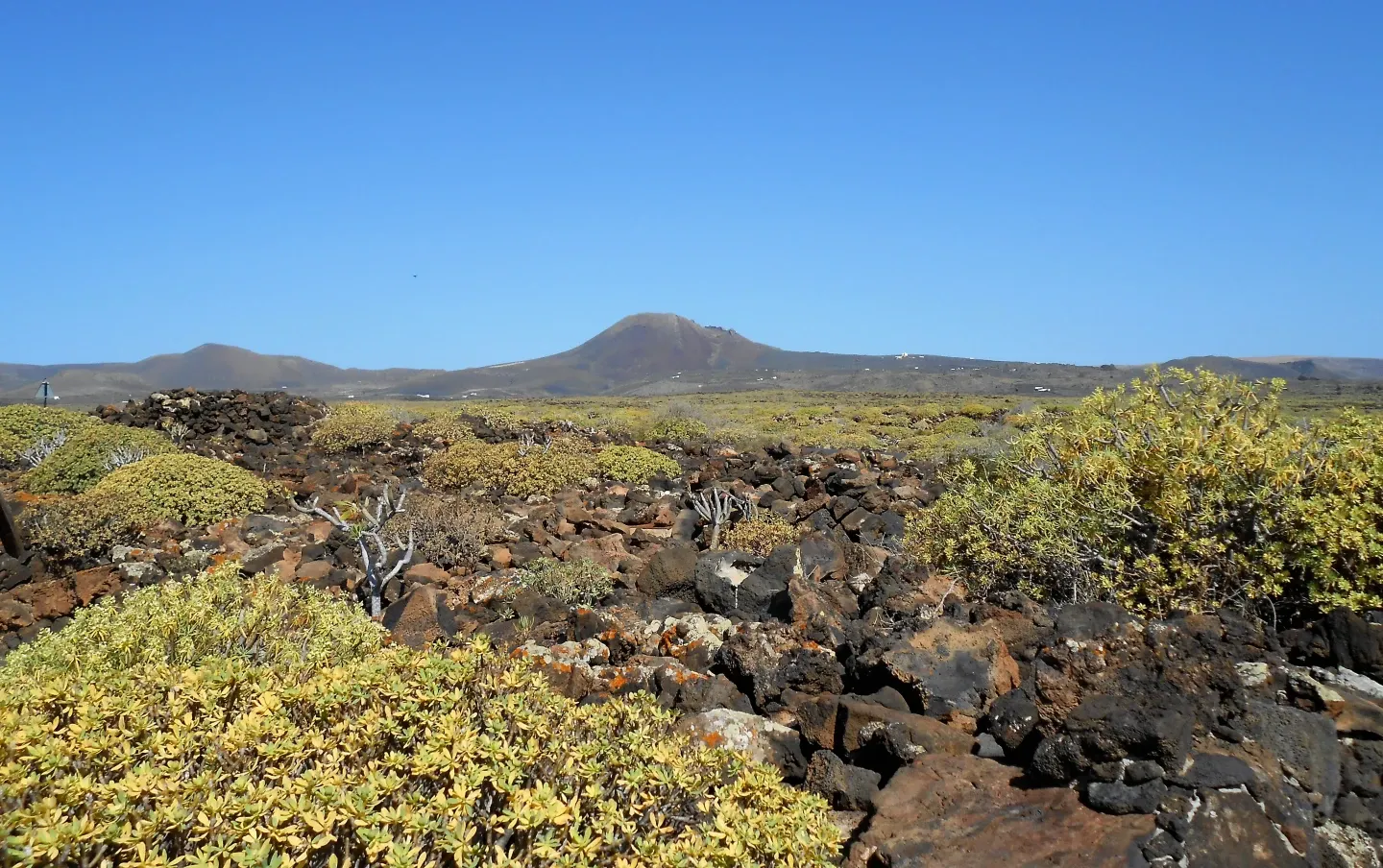
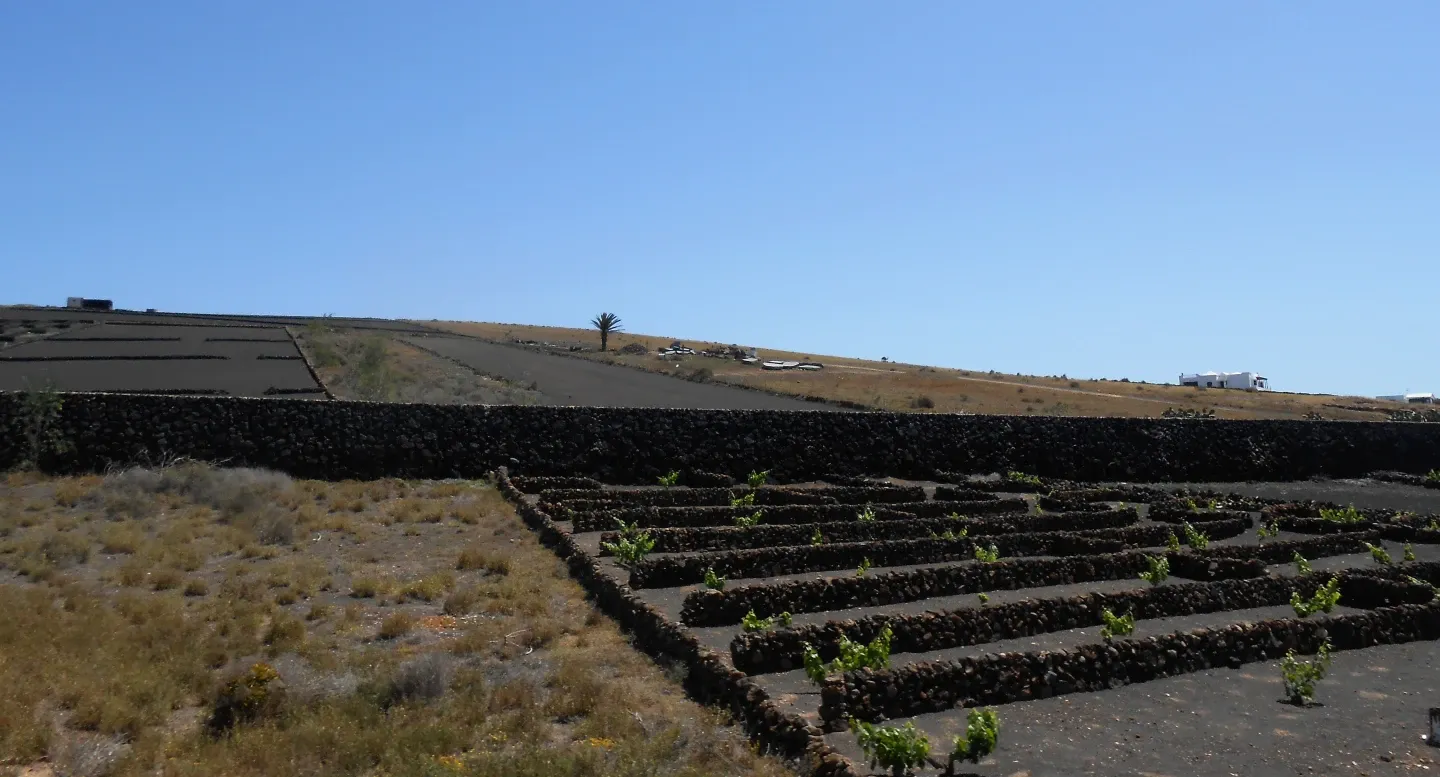
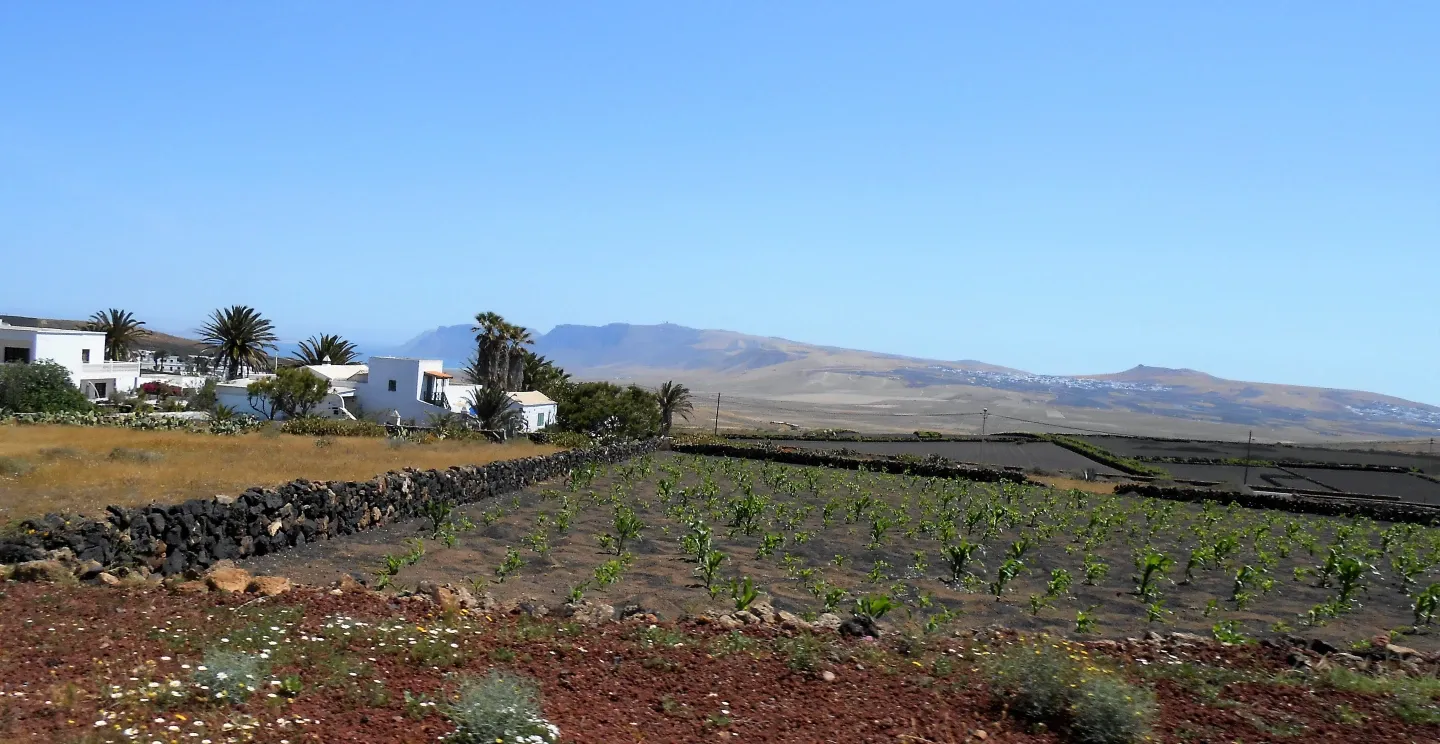
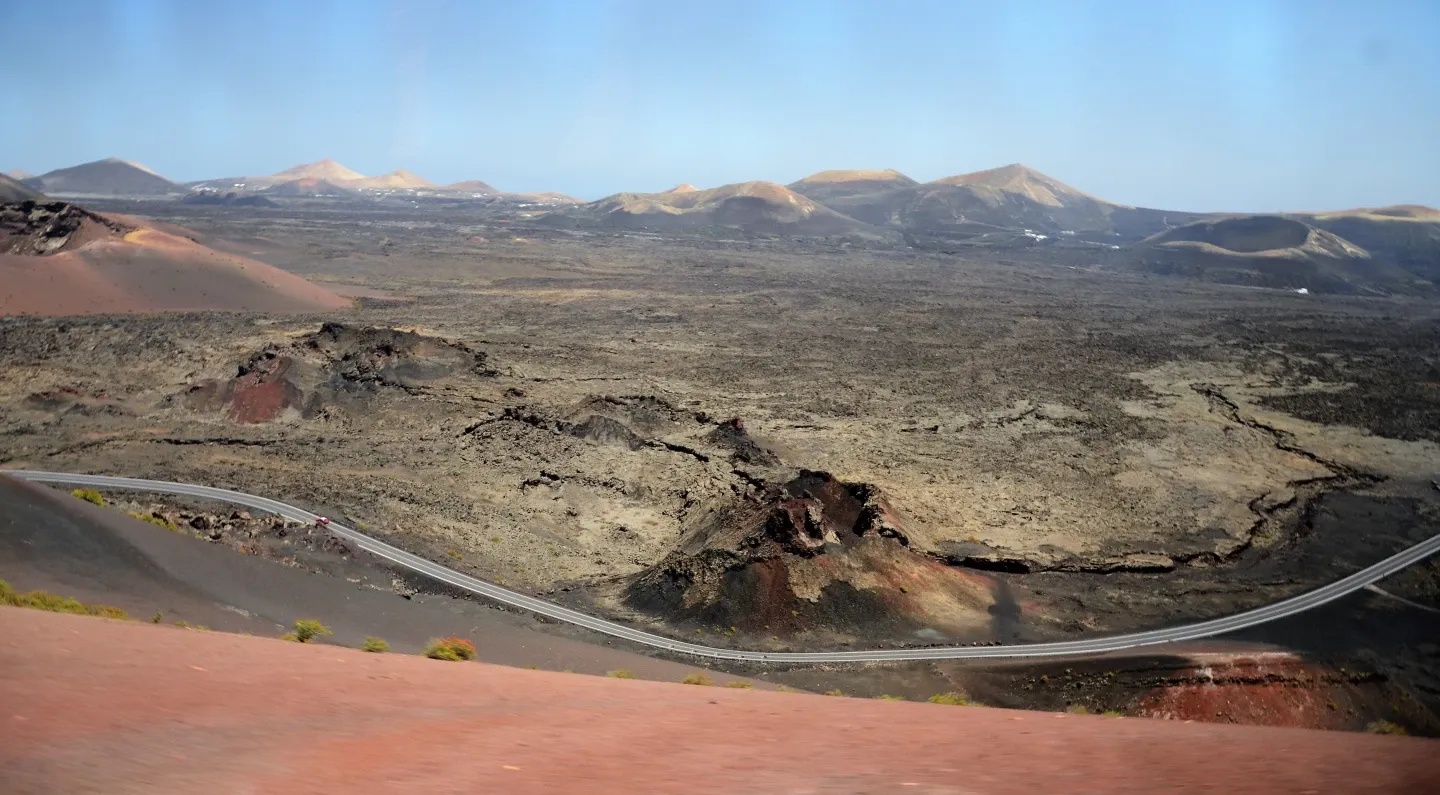
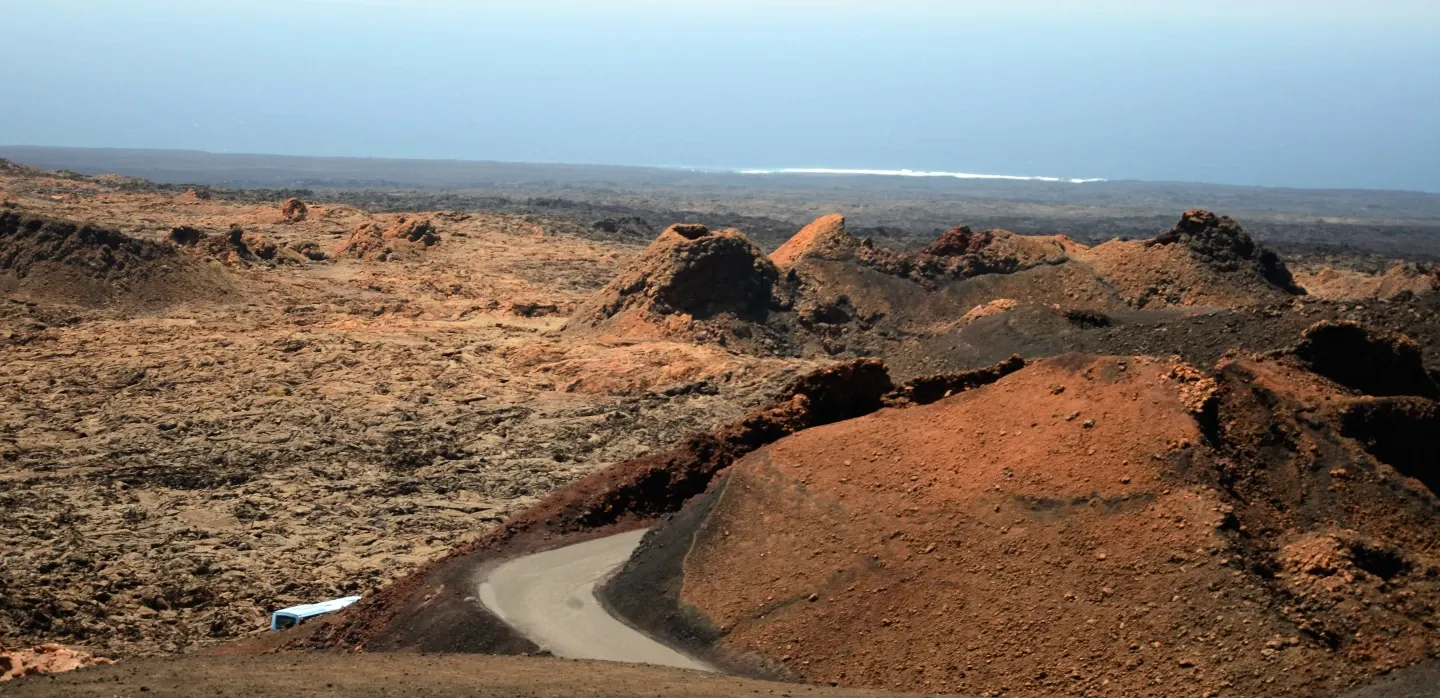
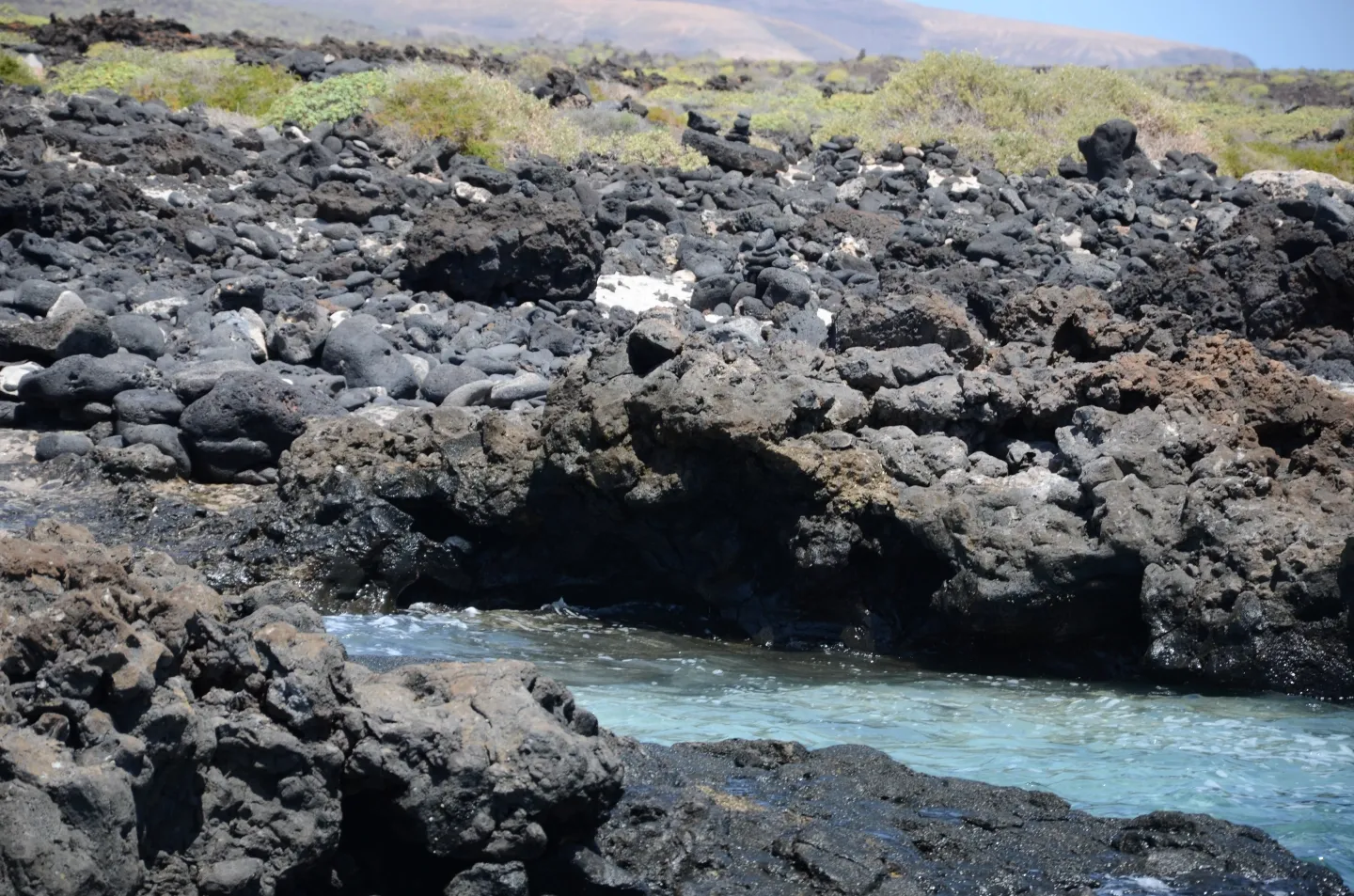
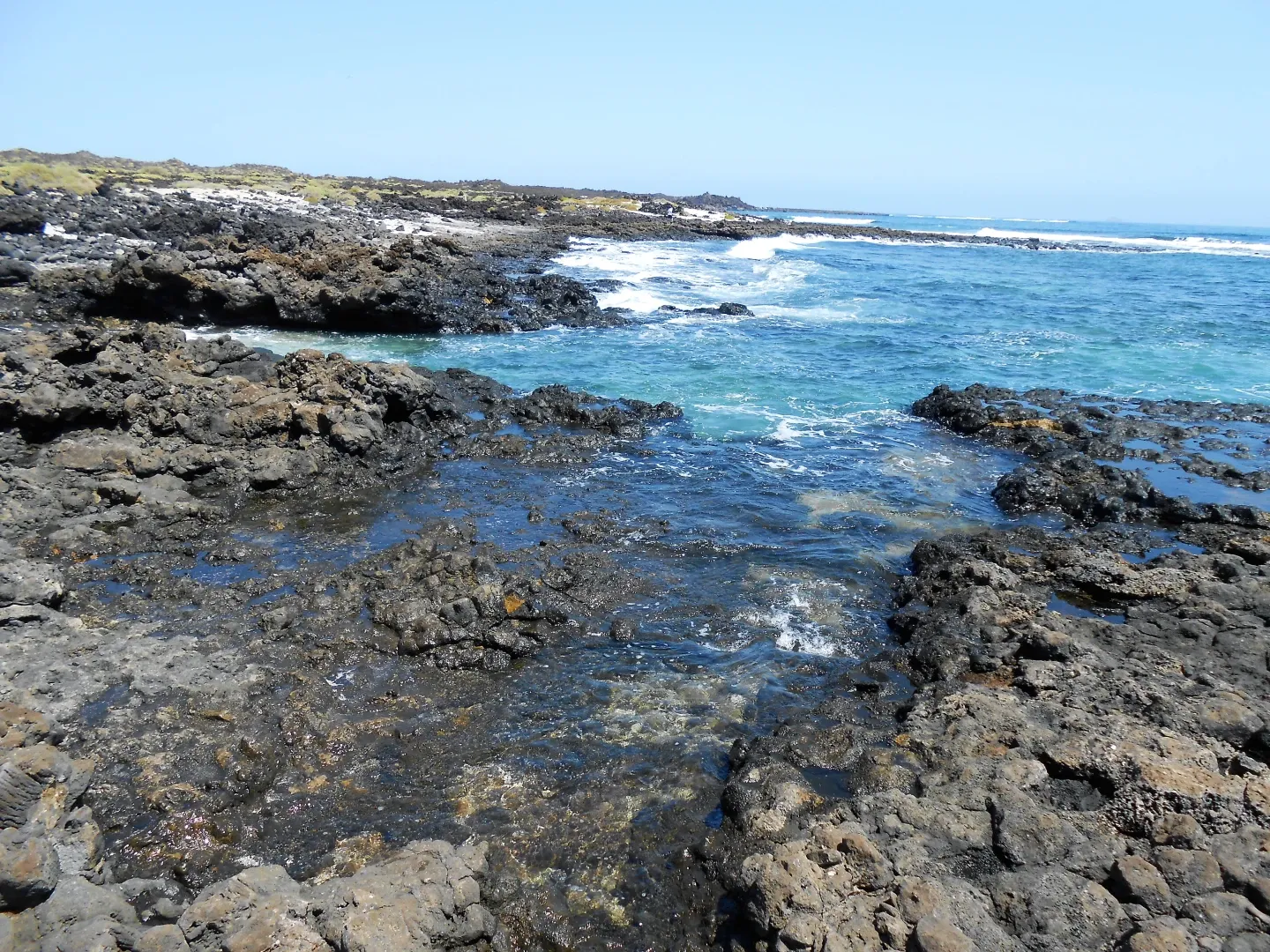
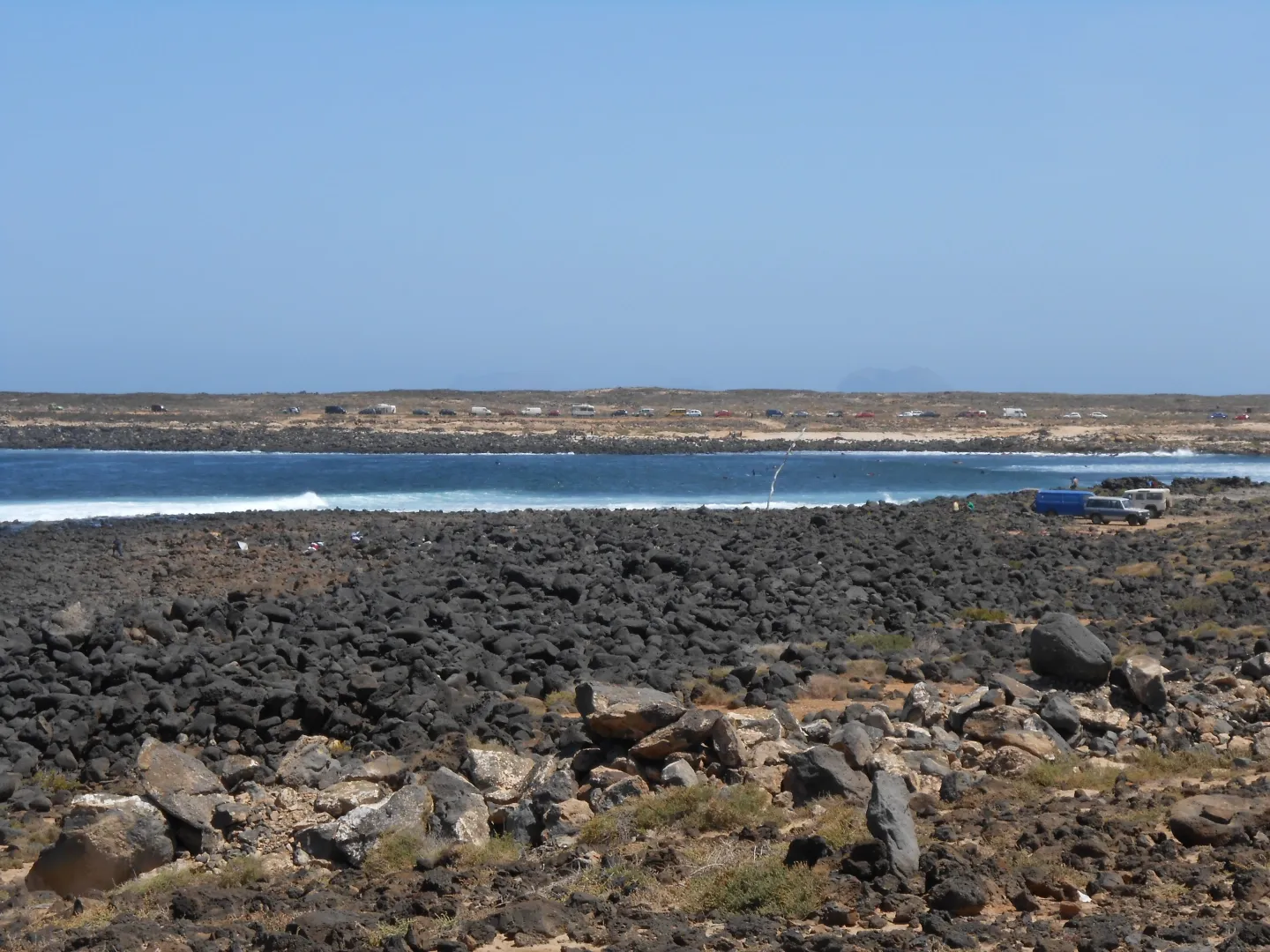
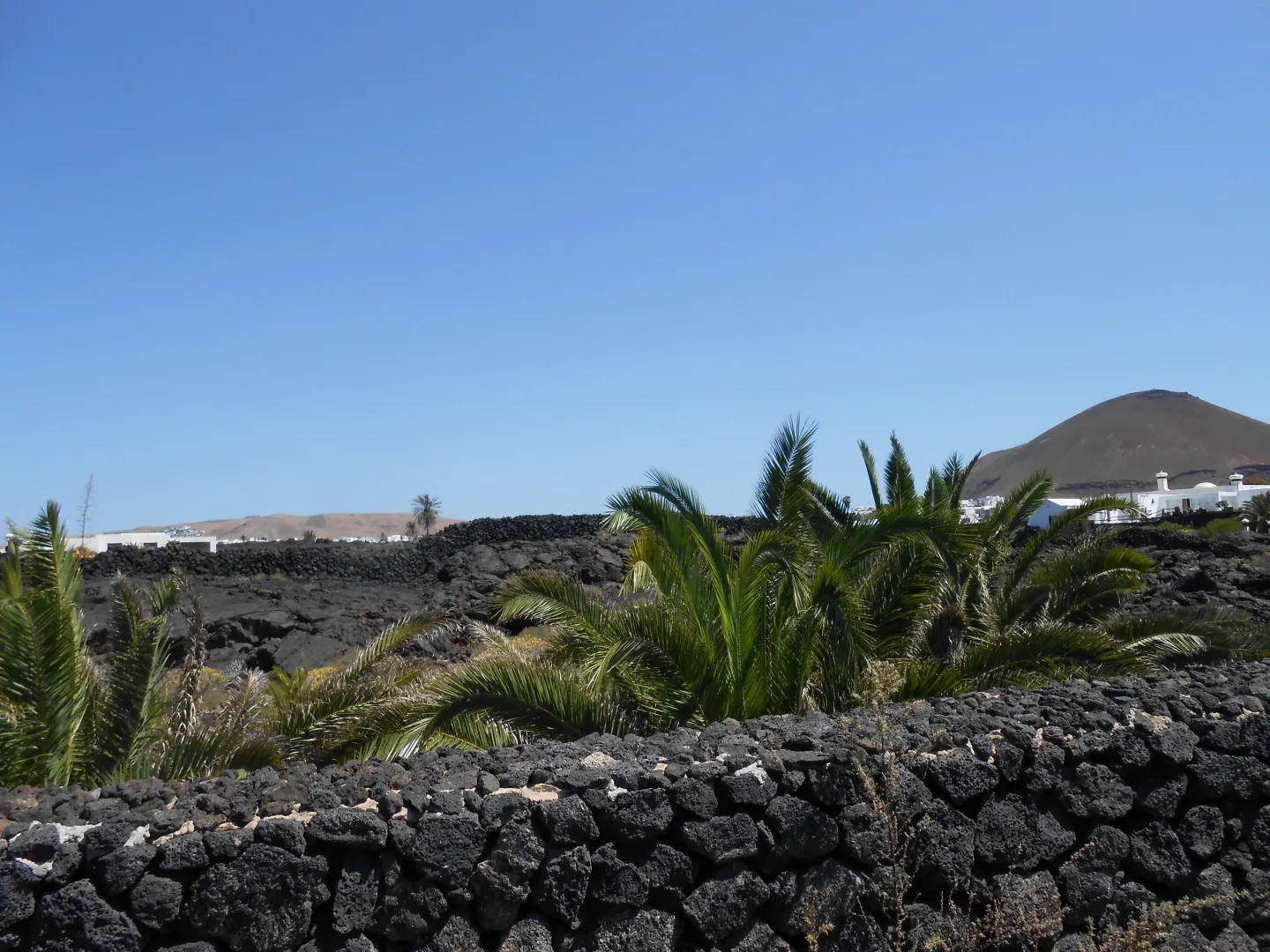
Lanzarote, feels like another world with its black volcanic sand and dramatic, rocky landscape.
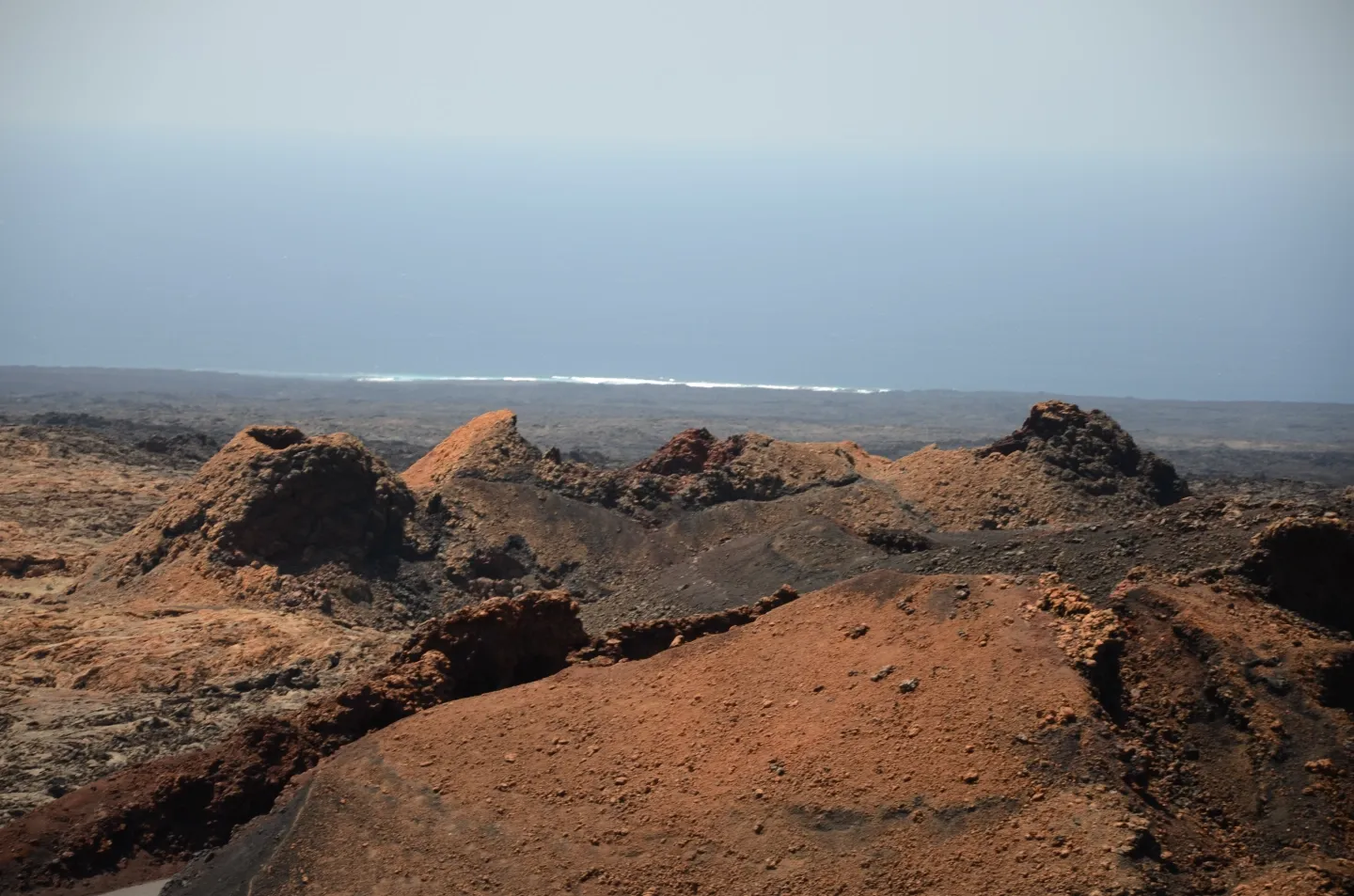
Timanfaya National Park
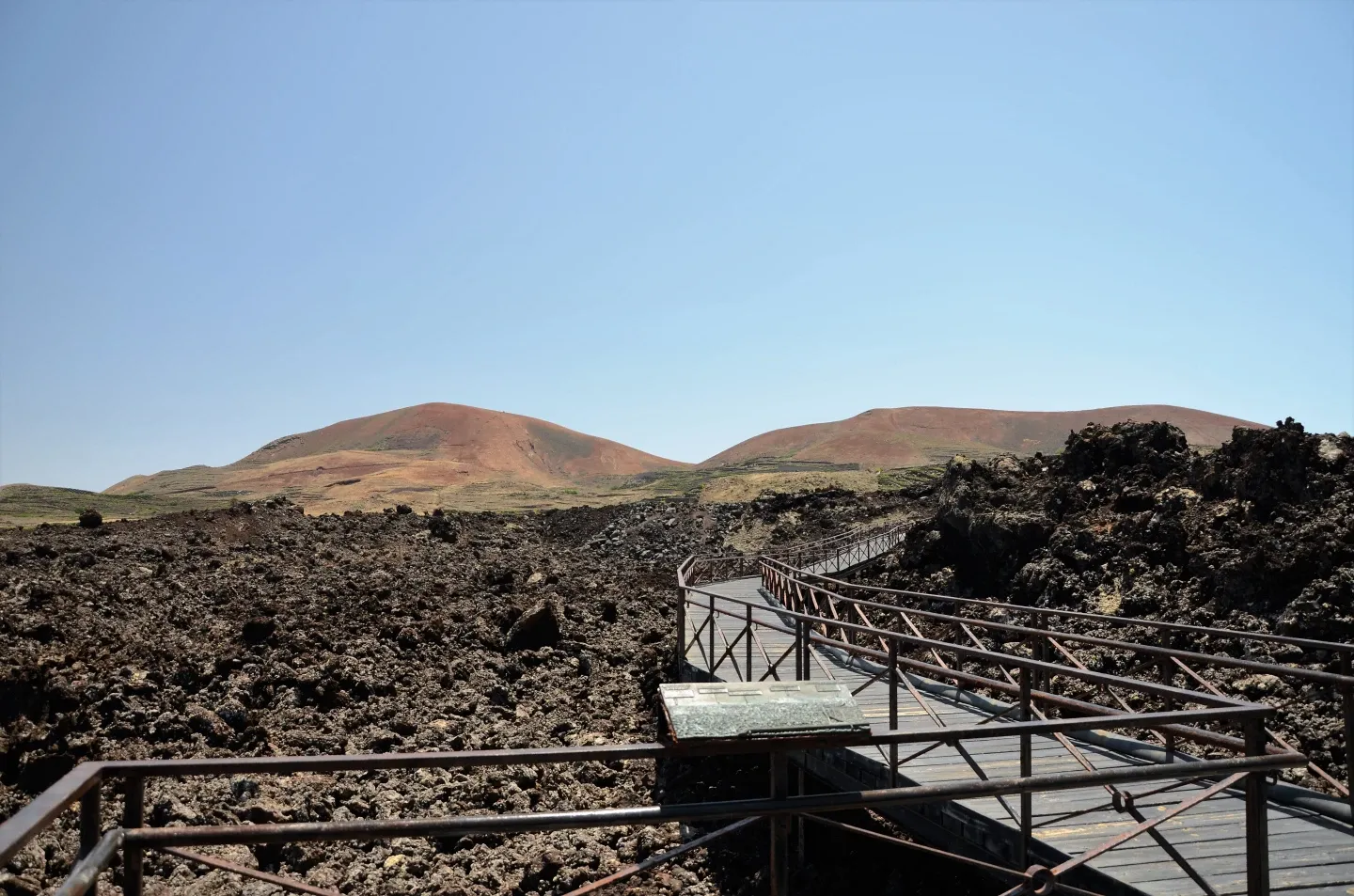
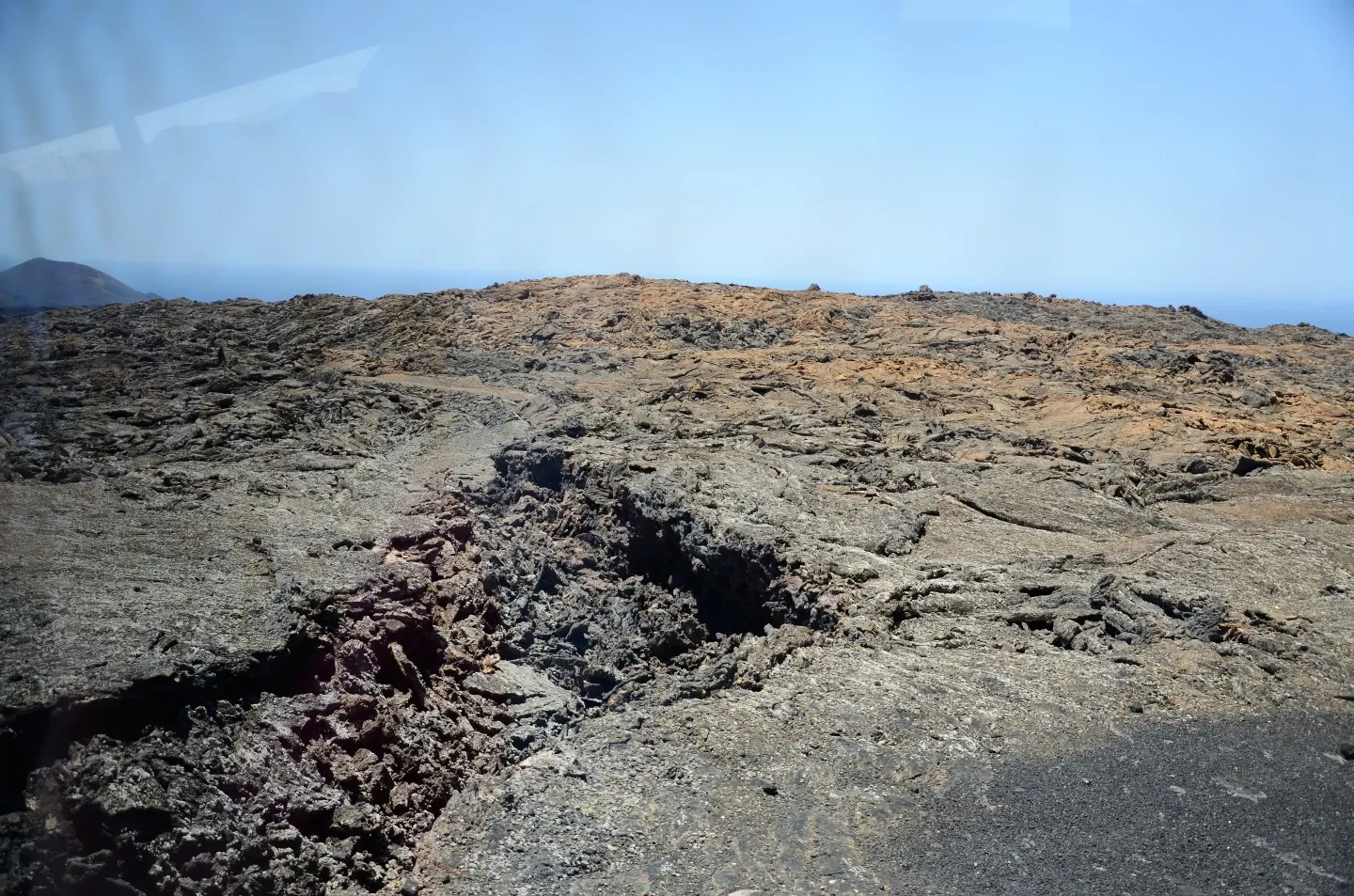
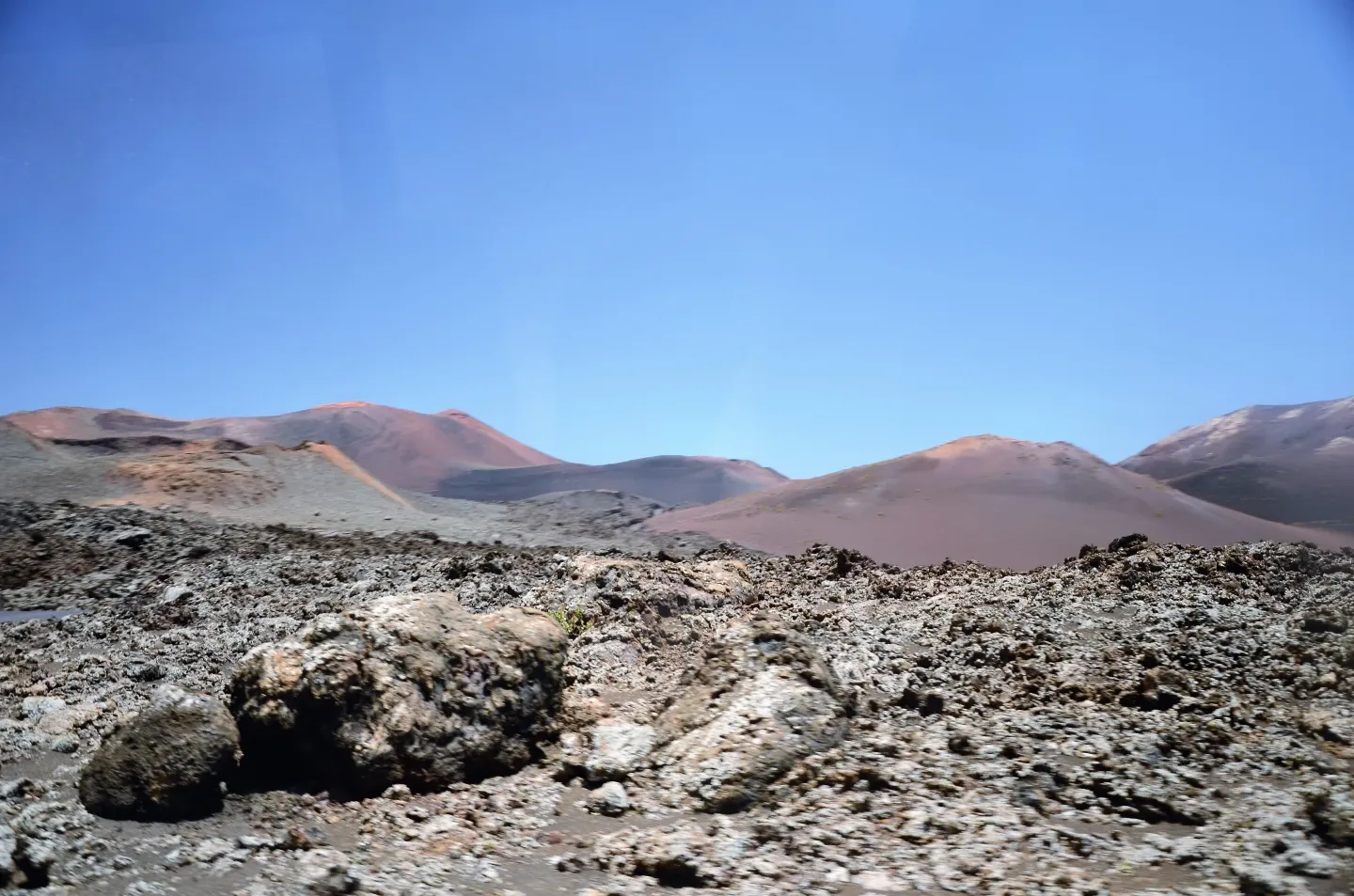
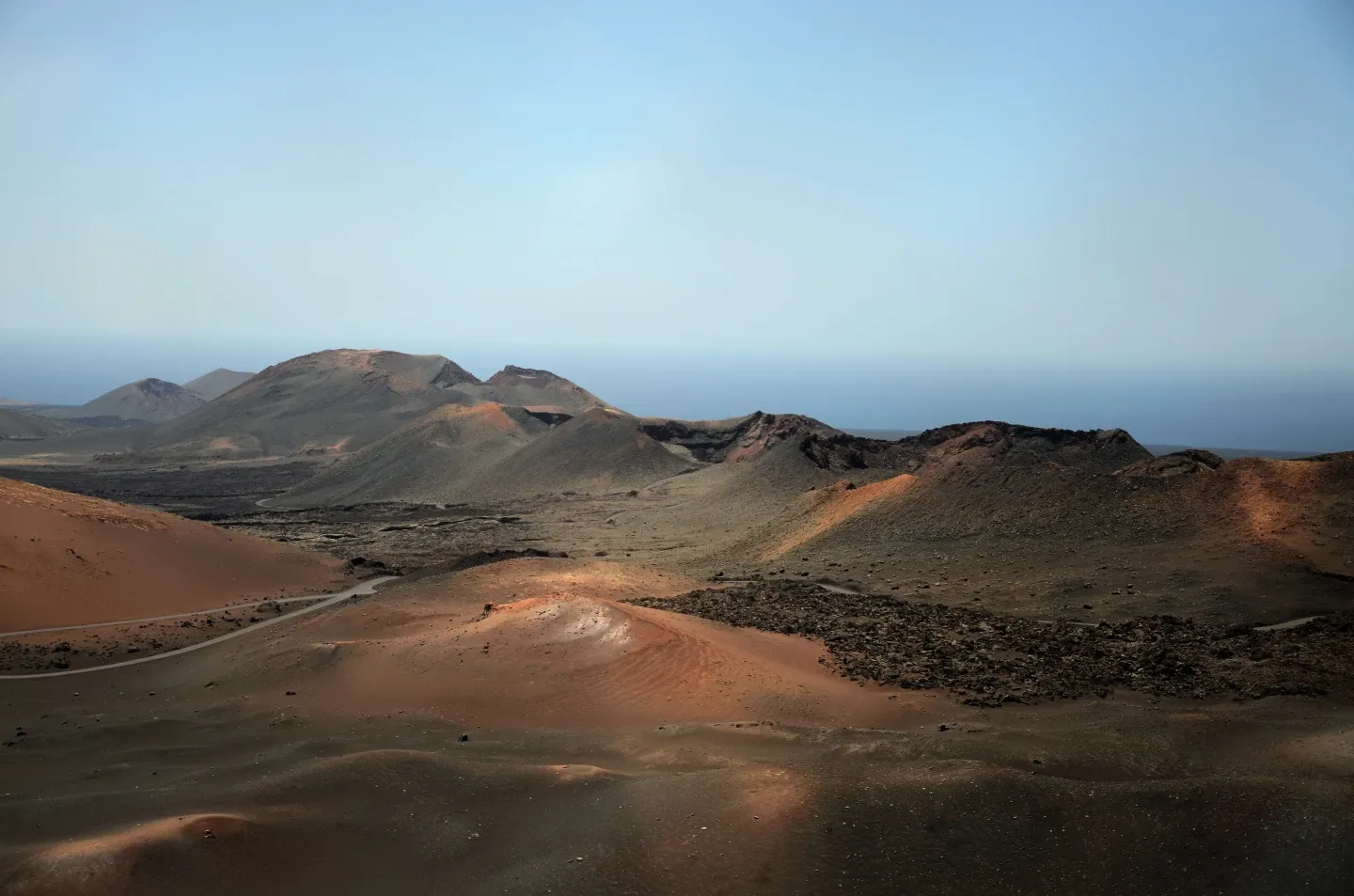
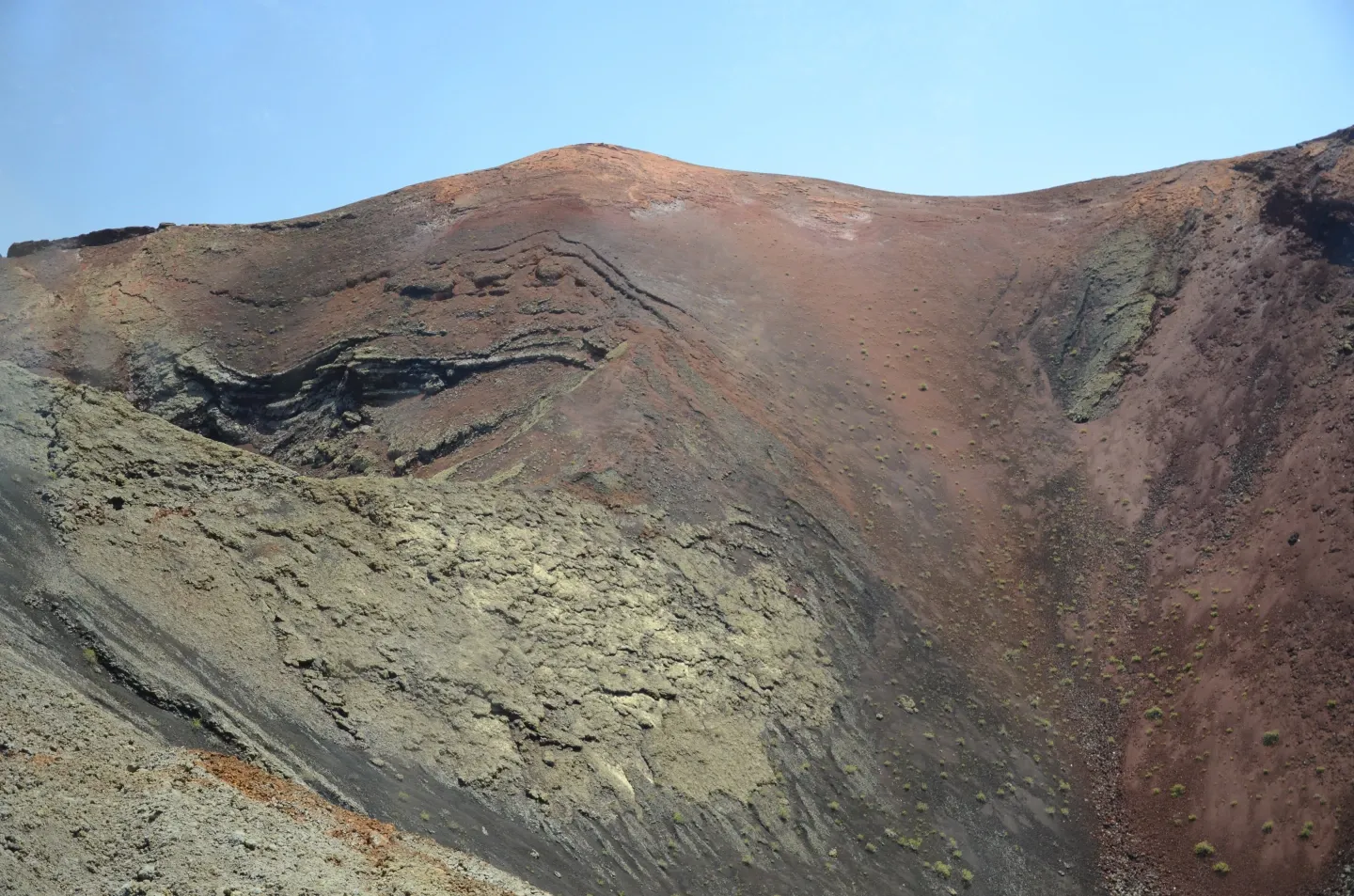
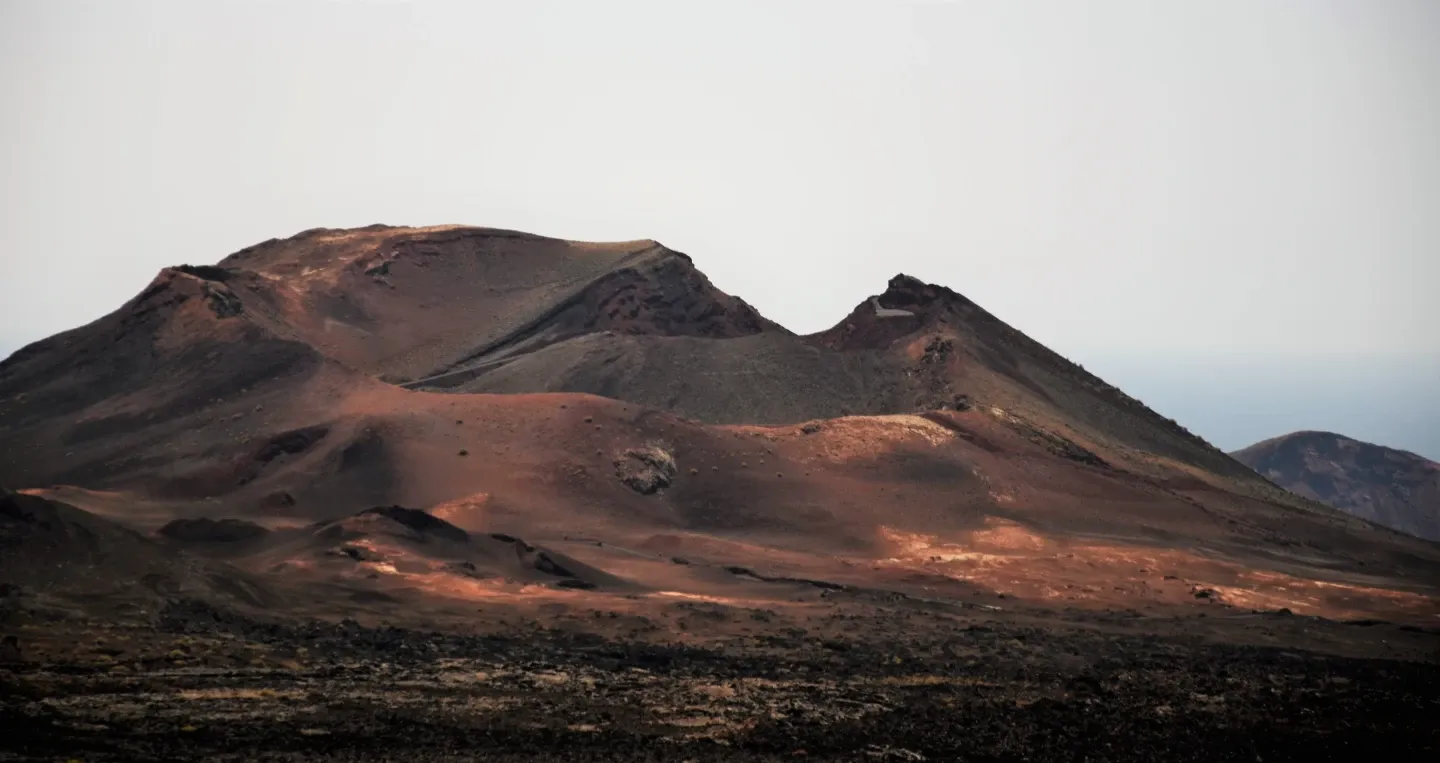
The National Park protects an area created by volcanic eruptions between 1730 and 1736. It includes 25 volcanic craters, unique geomorphological features, and a rich variety of flora and fauna.
The surface is "similar to that of the Moon and Mars, the park has been used to train astronauts and to test Mars rovers"
 NASA Migrate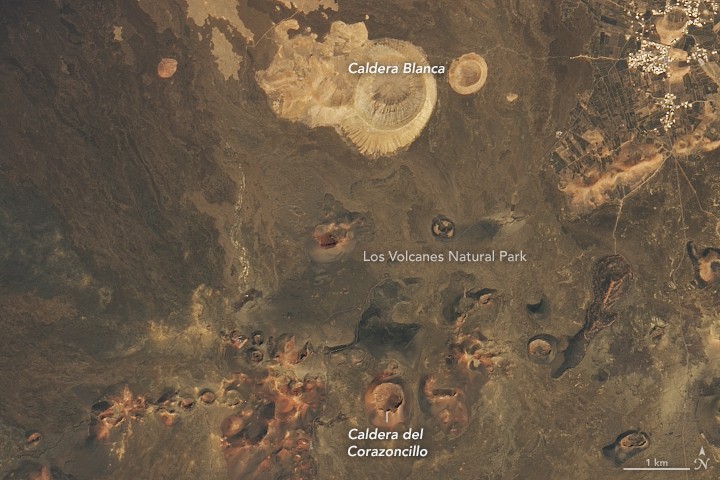
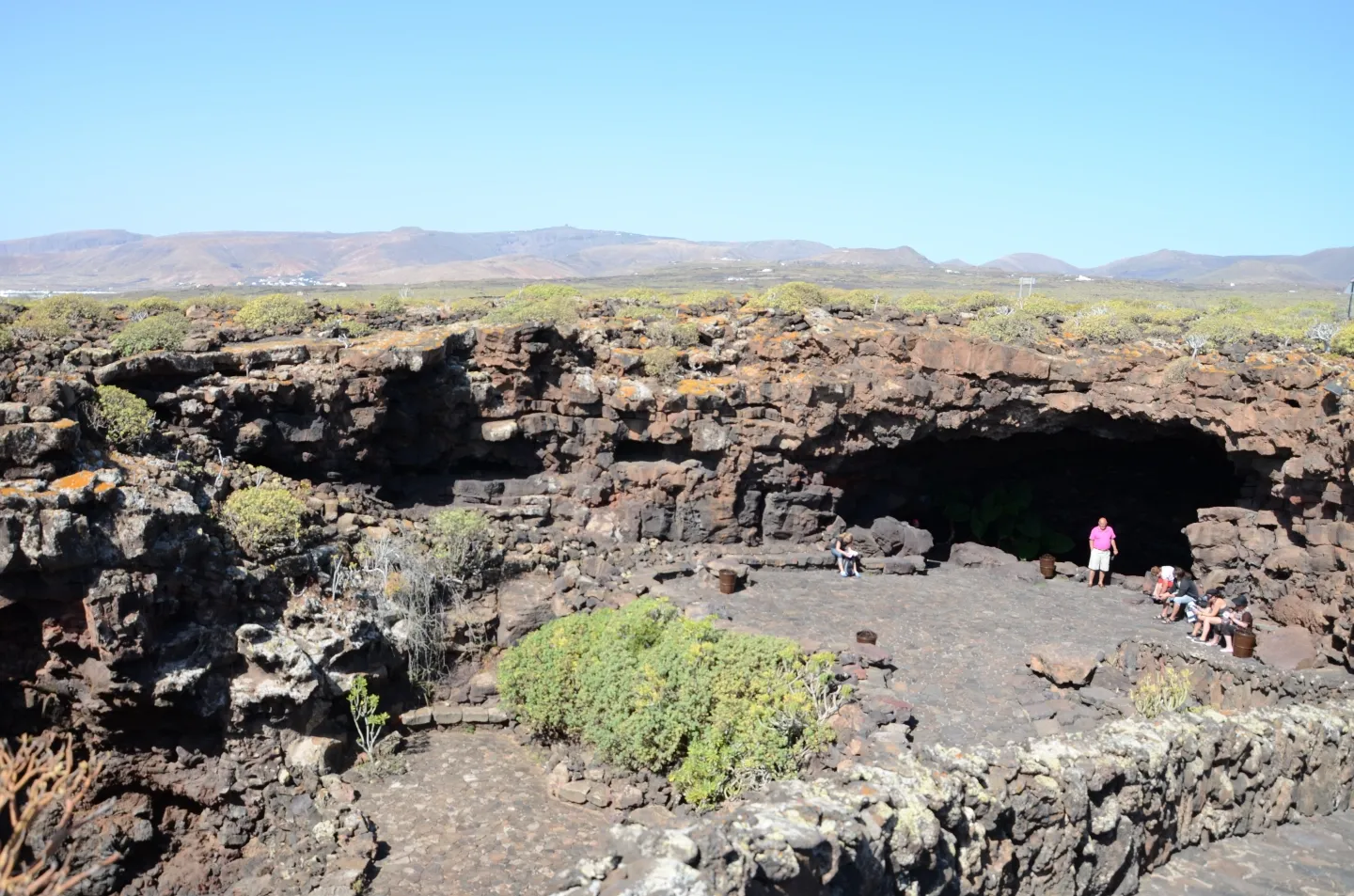
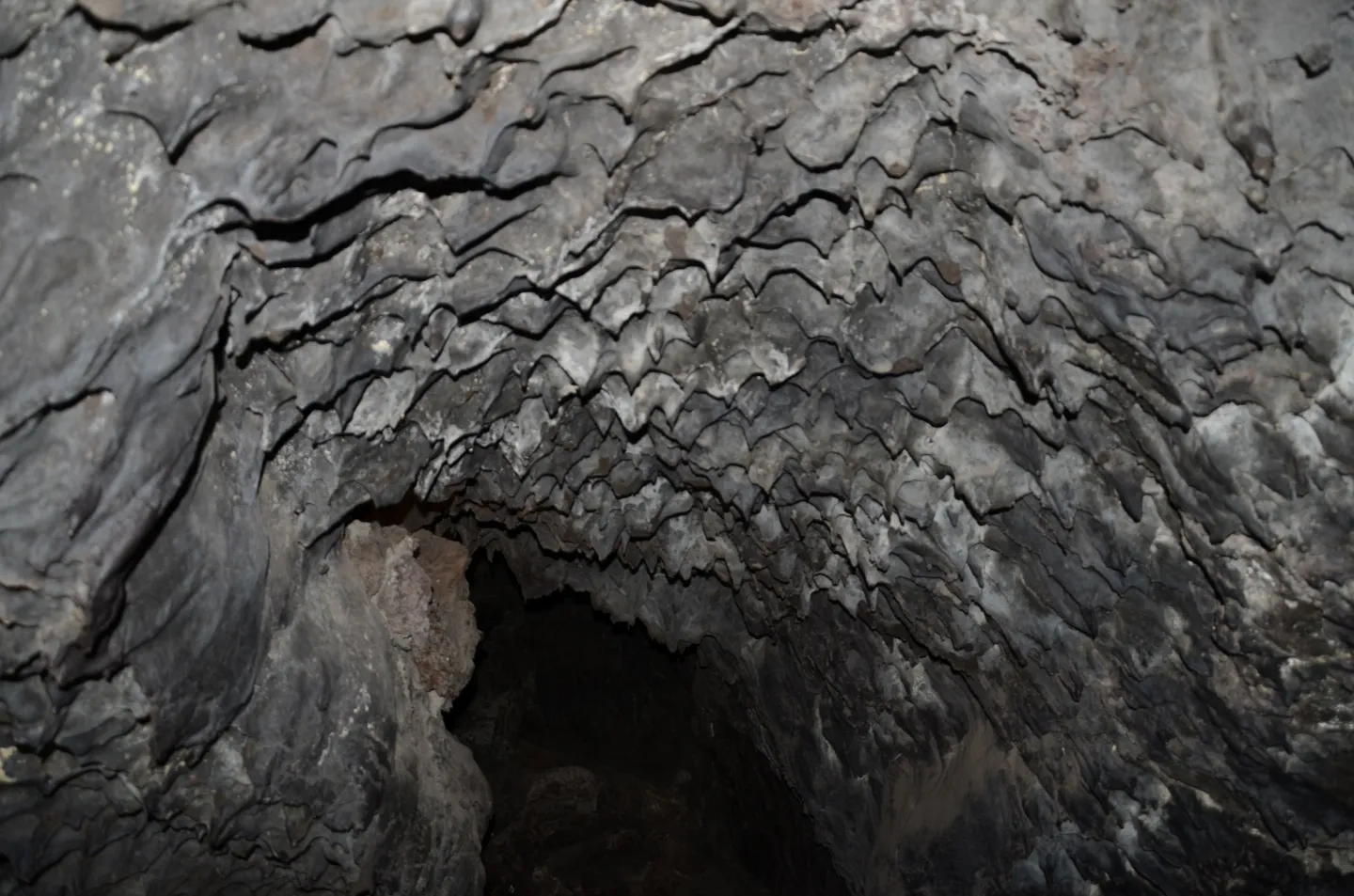
Cueva de los verdes (Verdes' cave)
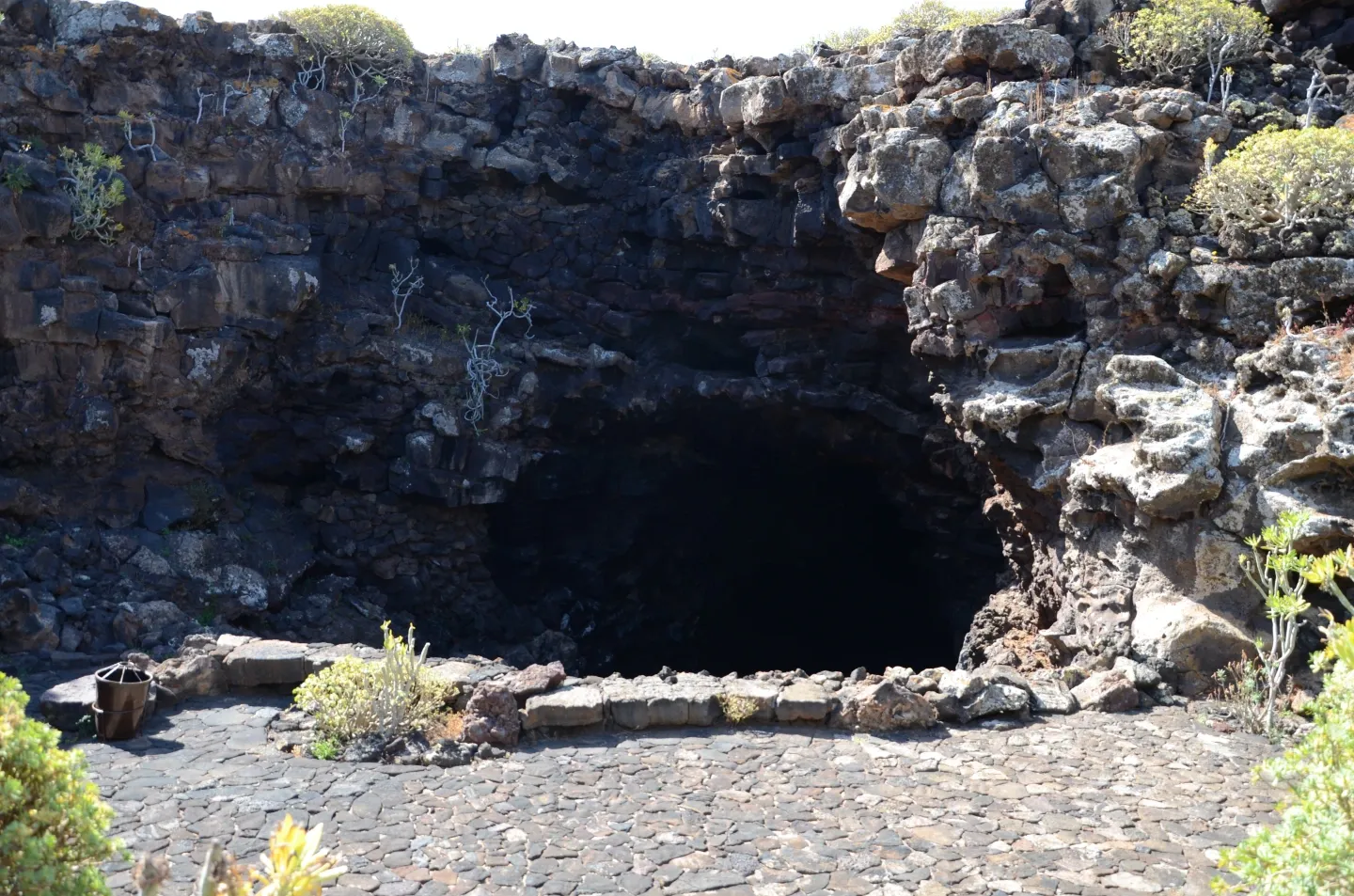
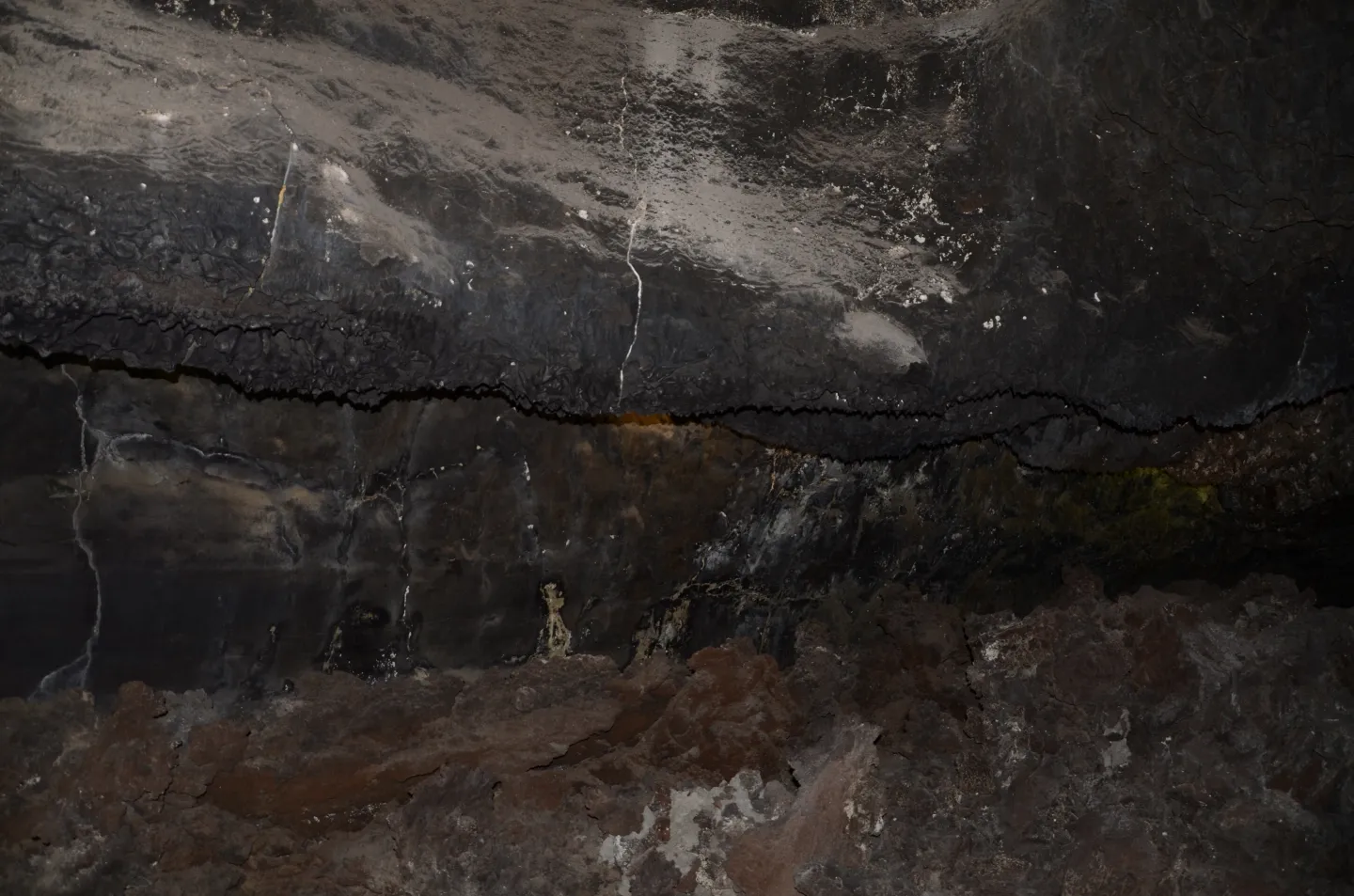
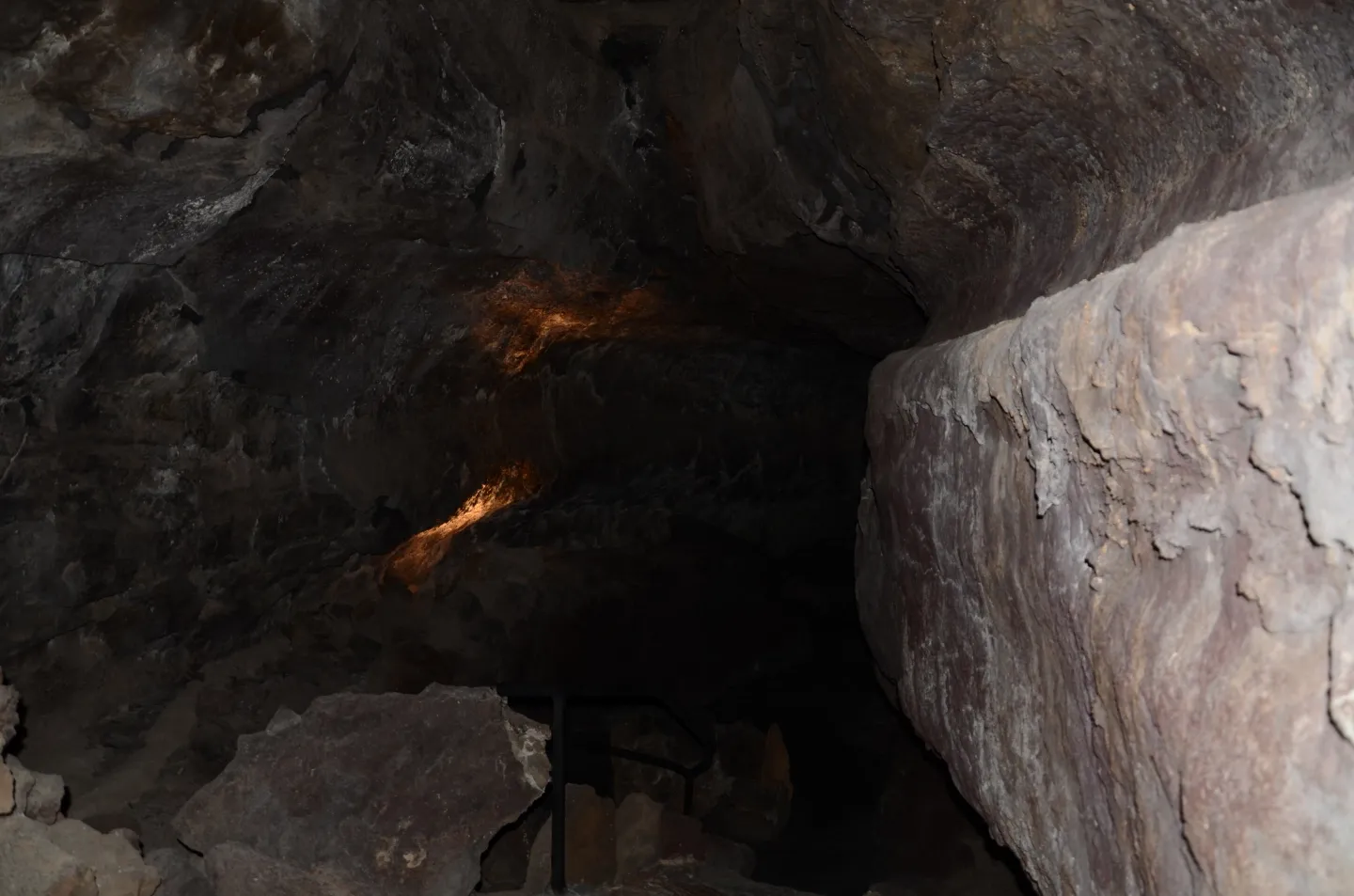
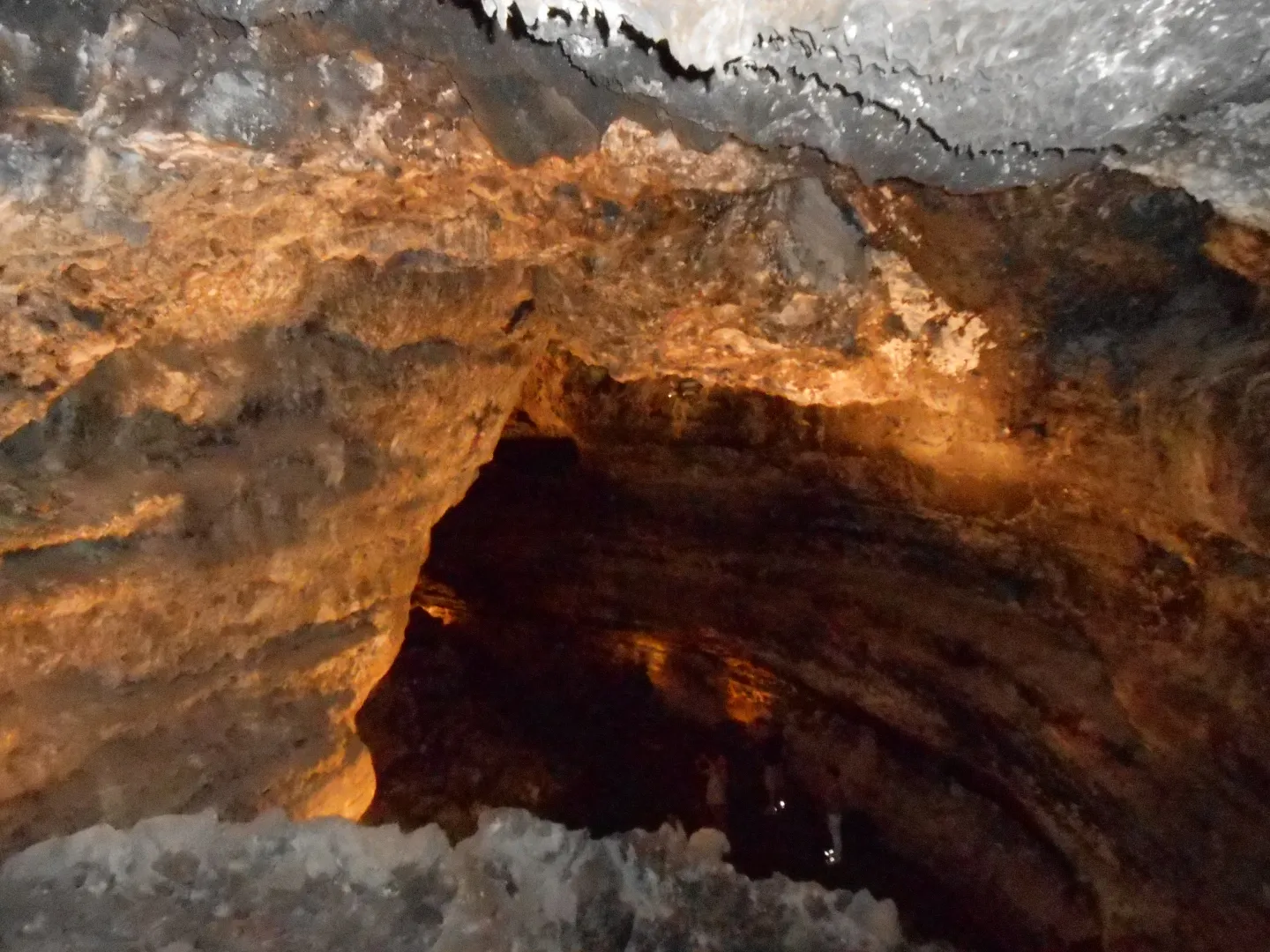
The cave is part of a 7.6 km-long volcanic lava tube formed around 3,000 years ago. About 1.5 km runs beneath the water, while 6 km lies above sea level, forming a complex of halls and galleries with domes up to 20 × 20 m and small interior lagoons. Collapsed sections of the roof create entrances, such as the Cueva de los Verdes. Around 2 km of the cave system is open to visitors and includes a concert hall.
Located just 130 km from North Africa, Lanzarote was the first Canary Island to be settled by Berber peoples, who later became Canarian Indigenous population.
Beaches: