La Palma
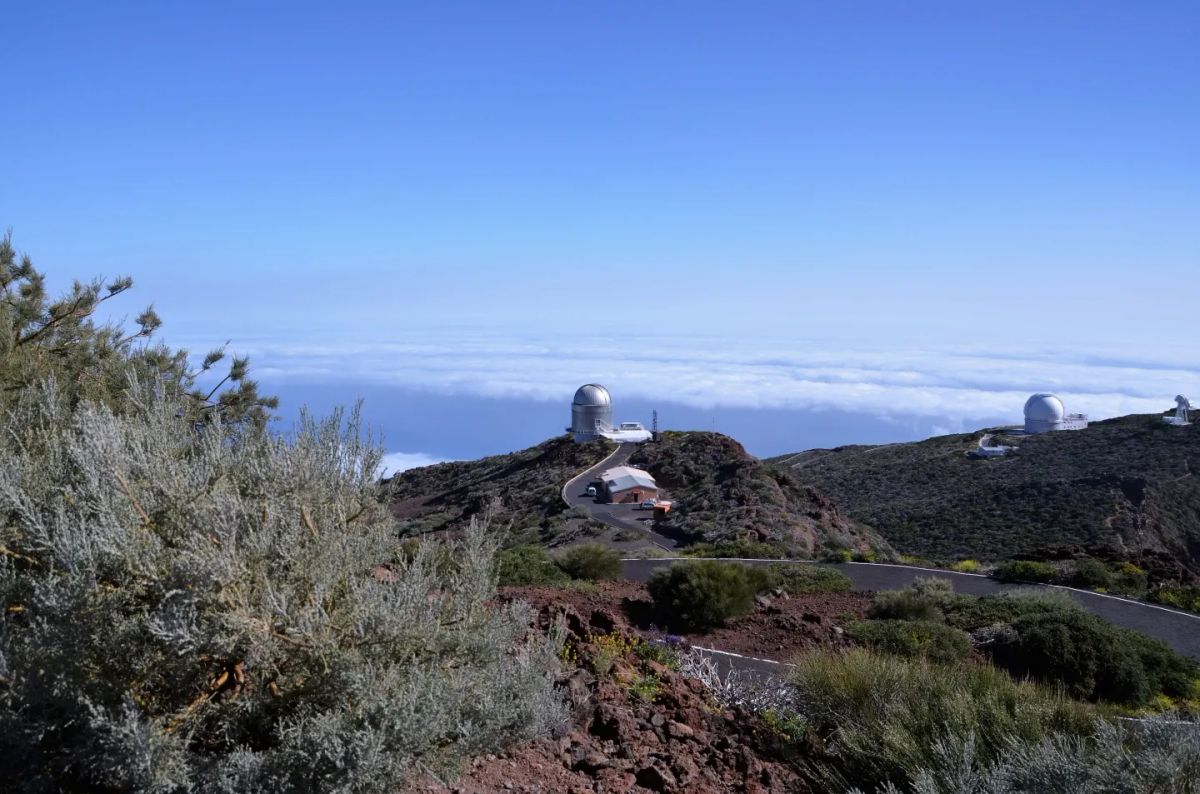
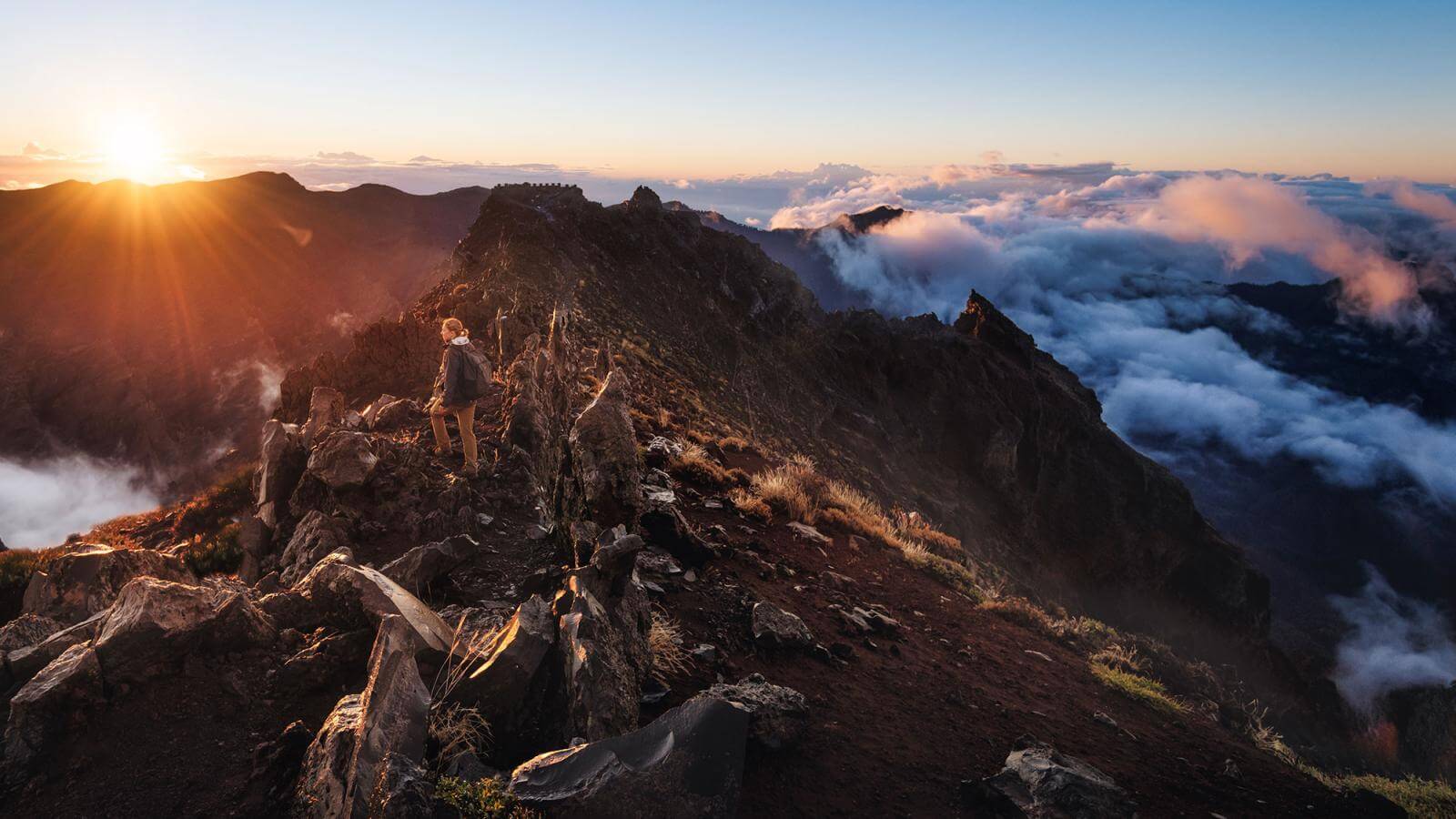
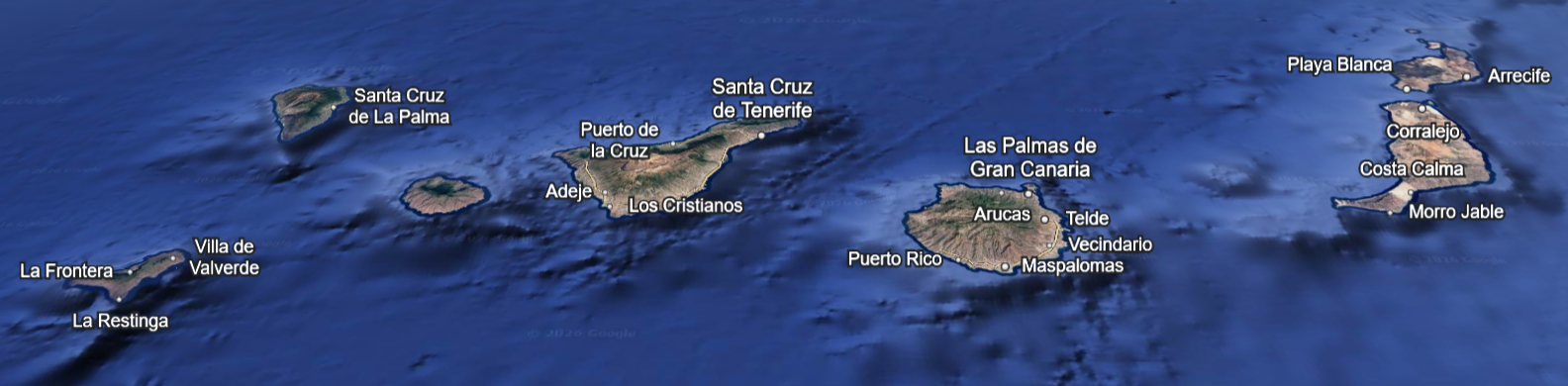
La Palma is the most north-westerly of the Canary Islands with the second-highest peak in the archipelago, Roque de los Muchachos, which rises to 2,426 metres above sea level.
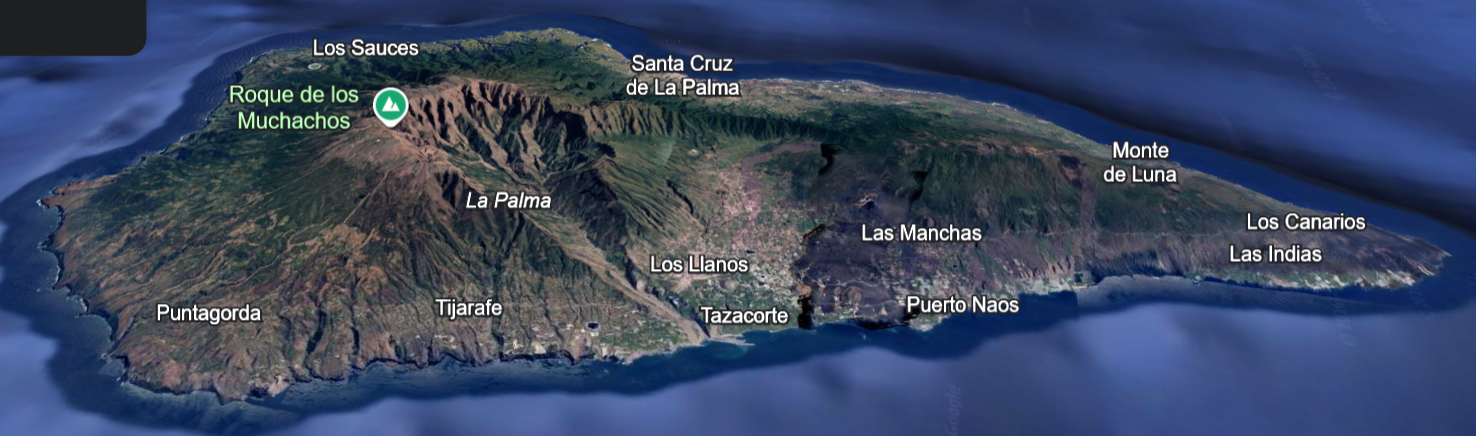
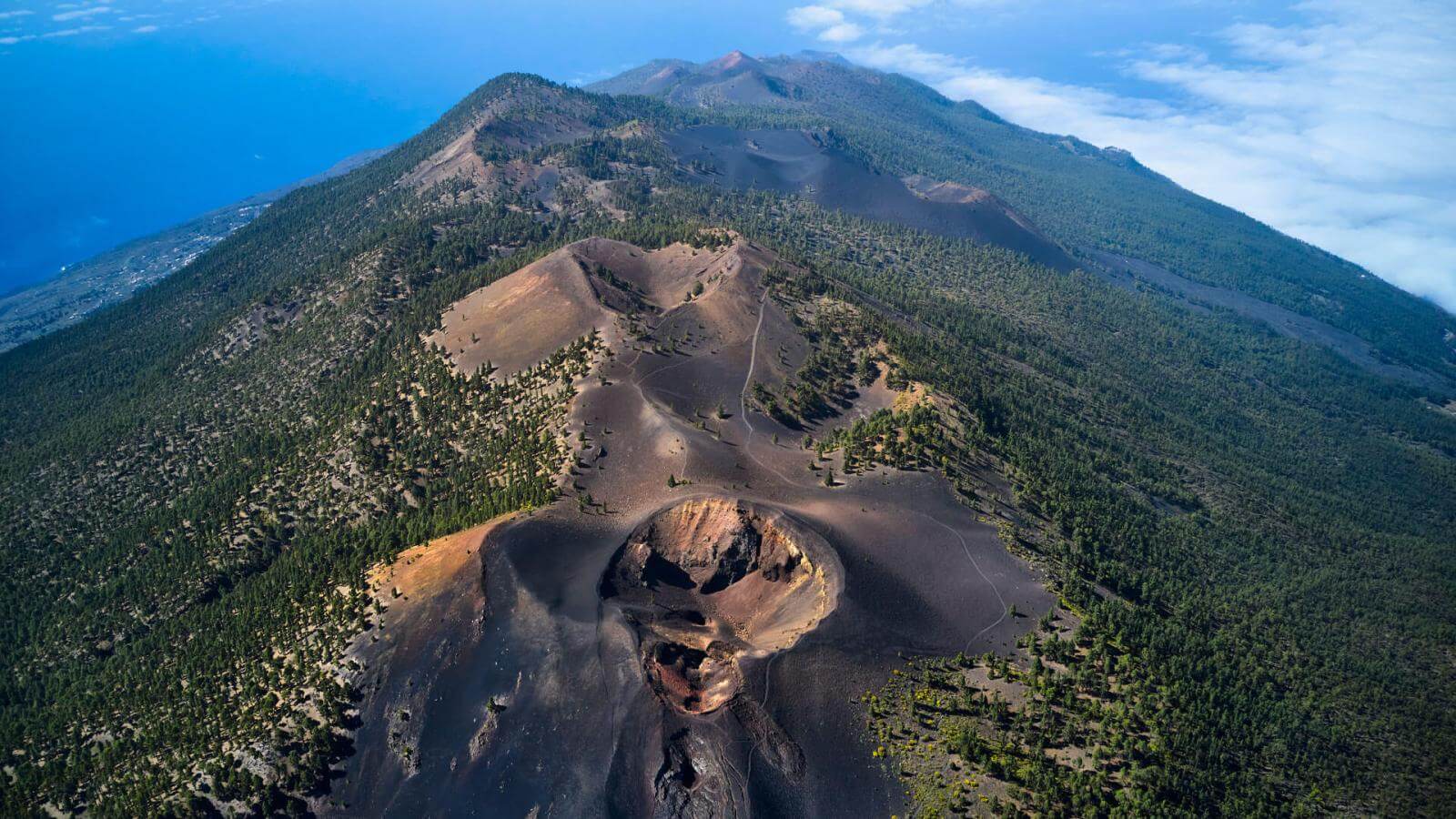
The island comprises the extinct Taburiente volcano in the north and the most active volcano on the Canary Islands - Cumbre Vieja volcano in the south, which last erupted in 2021. They are separated by the Taburiente Caldera - a vast volcanic crater shaped by erosion.
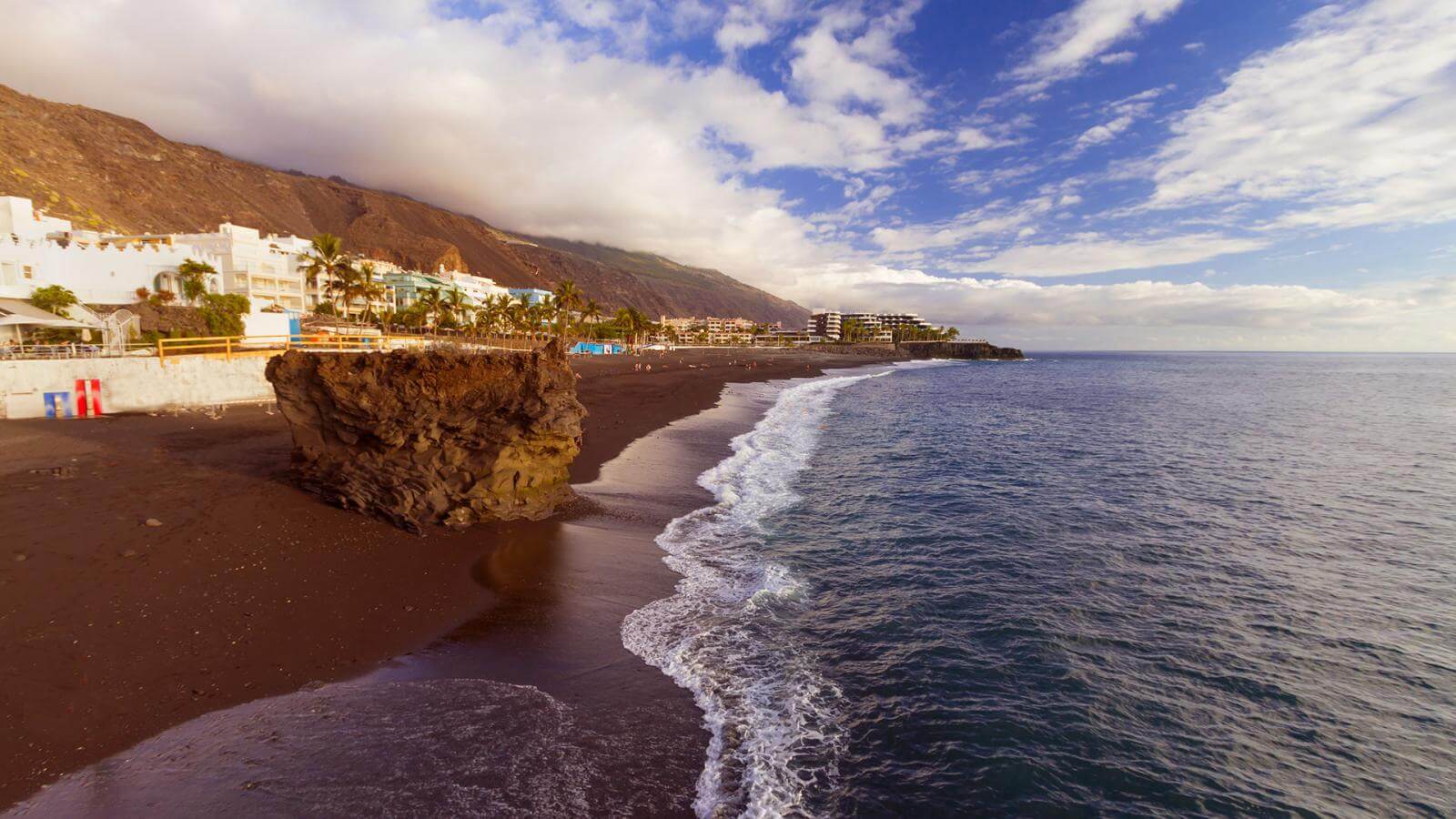
La Palama's beaches are black.

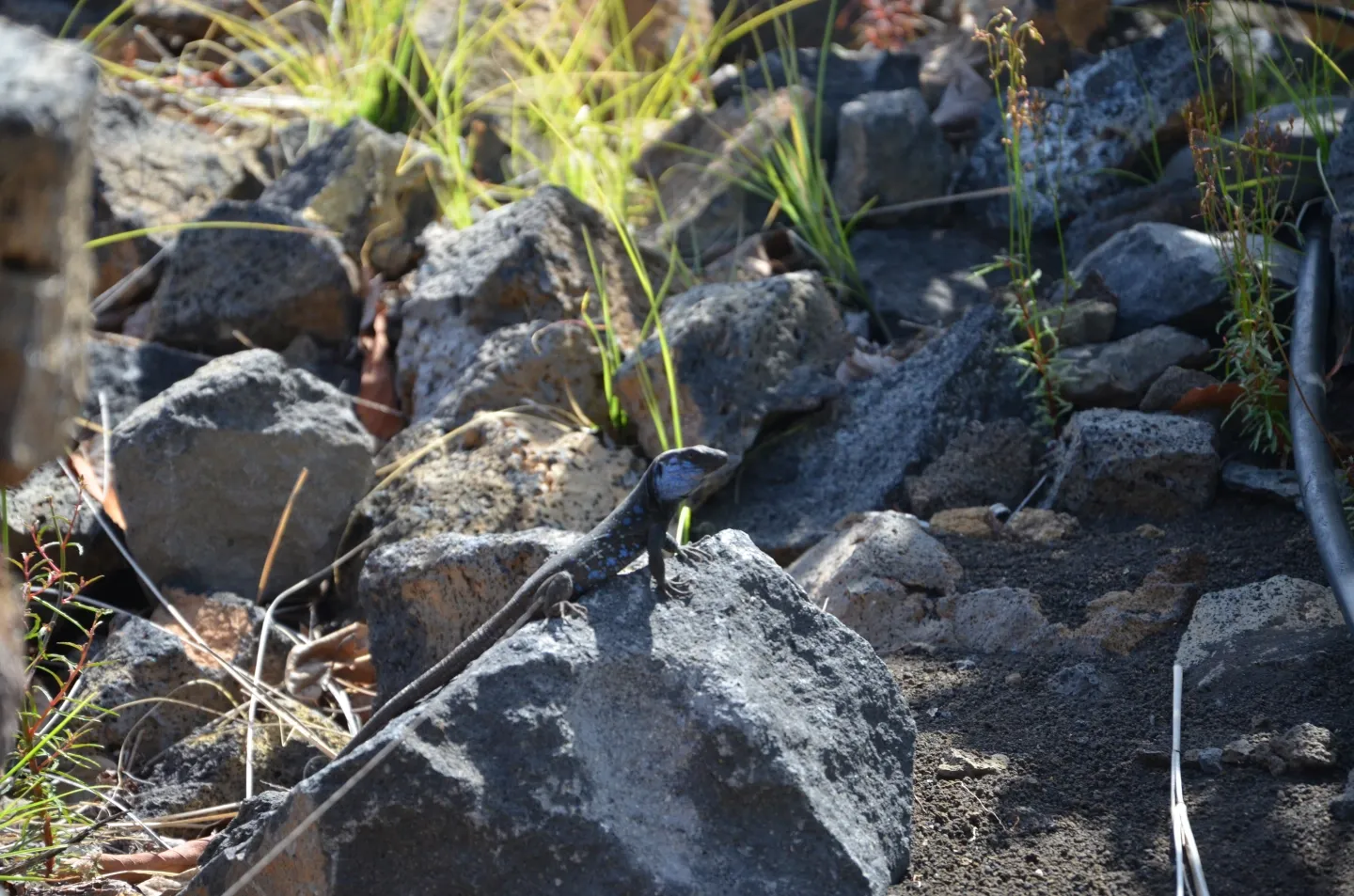
Gallotia galloti palmae (La Palma lizard)
Roque de los Muchachos and the Observatory
You can get there by a car, walk around, and explore the hiking routes and viewpoints.
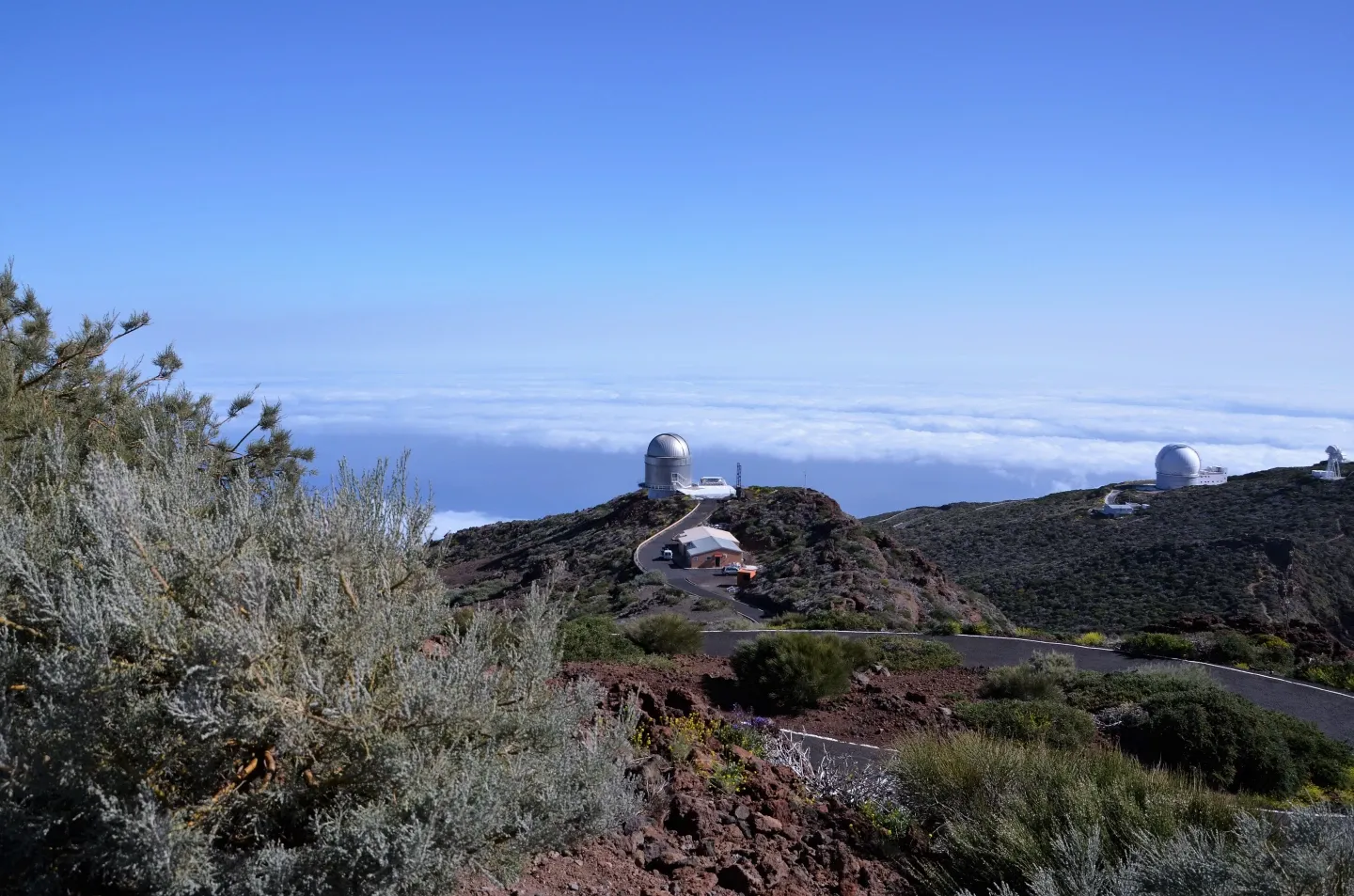
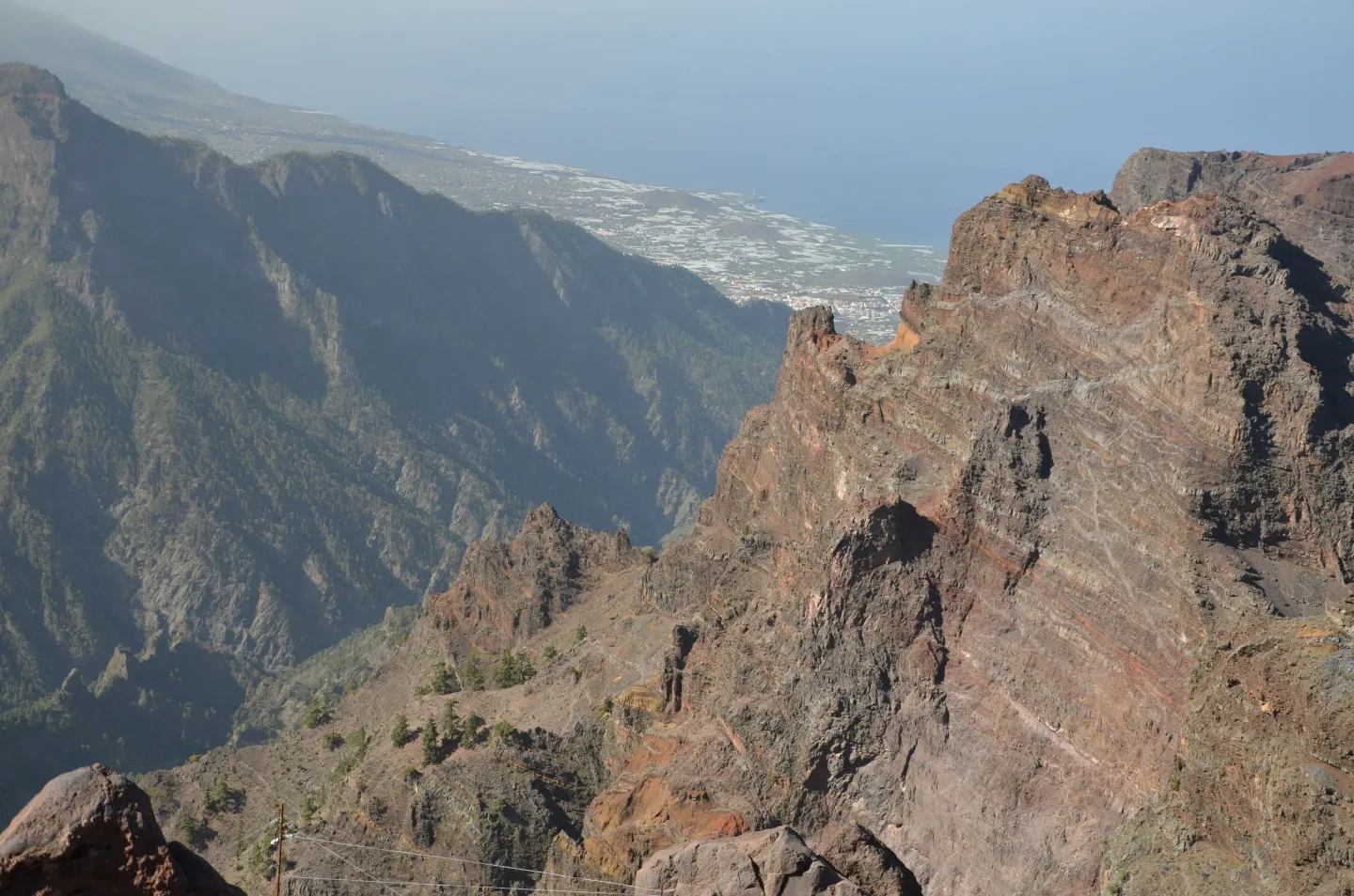
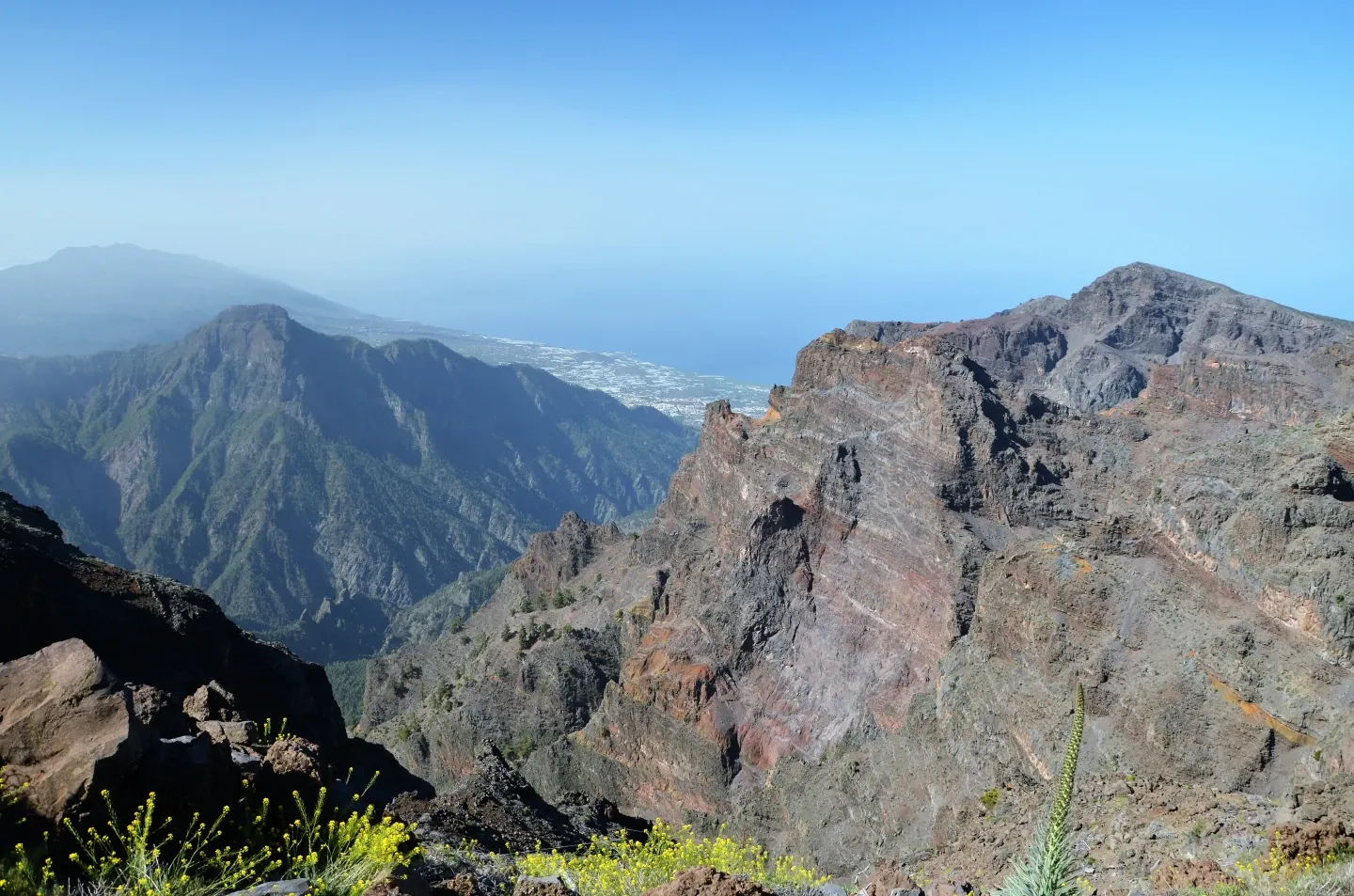
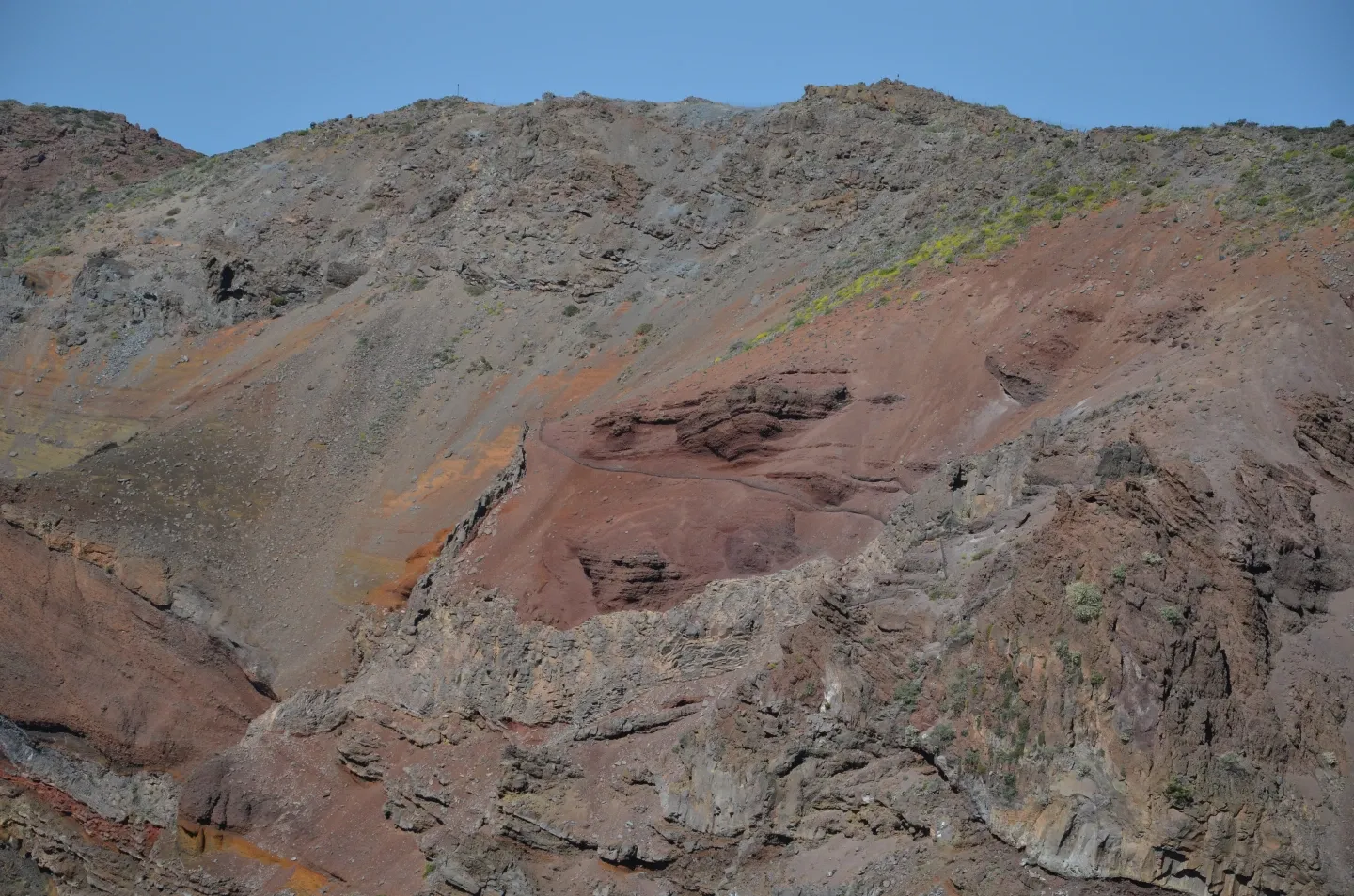
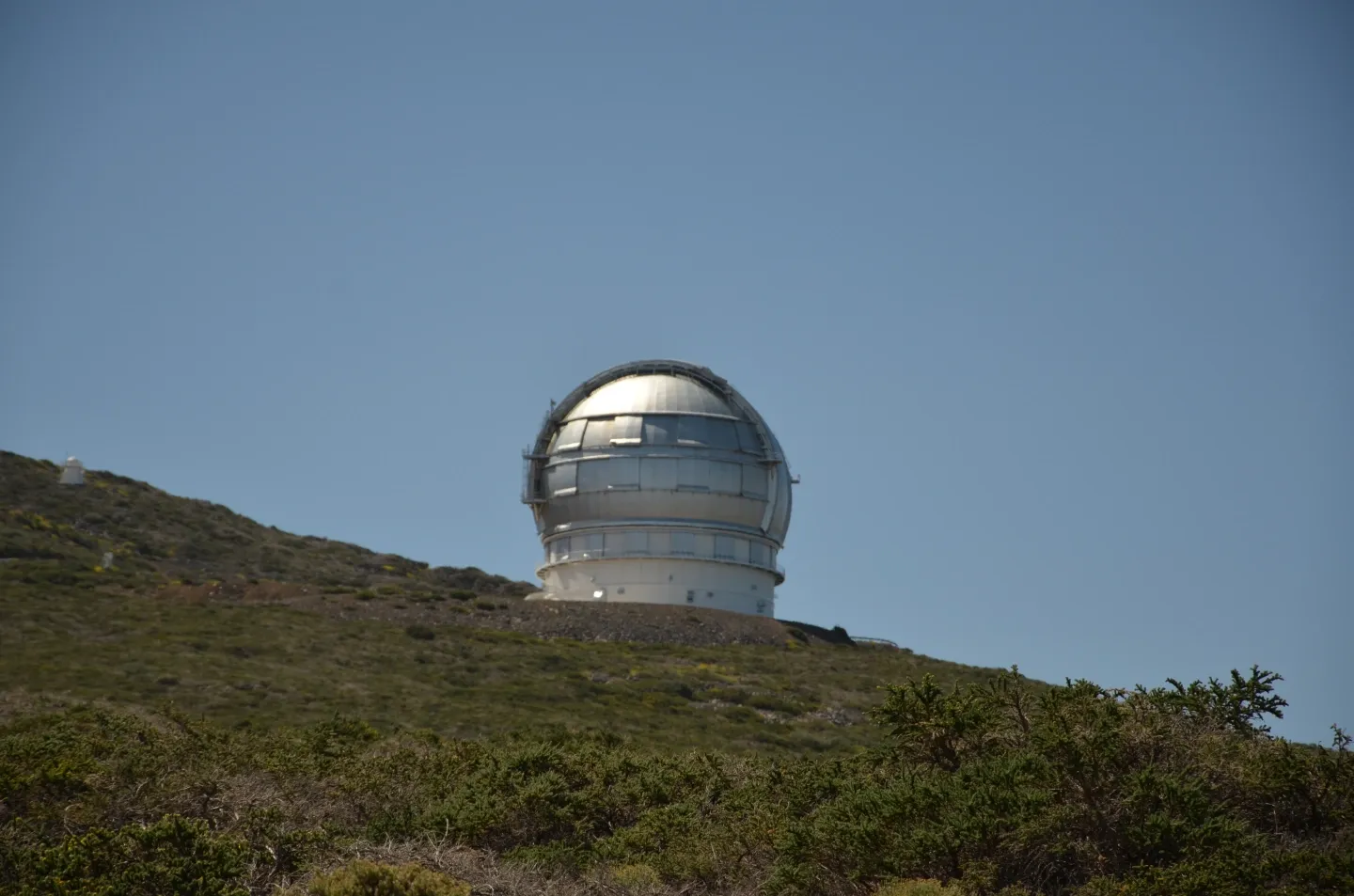
There is a car park and the Roque de los Muchachos Visitor Centre, which is accessible to wheelchair users.
To visit the observatory, you need to book a visit in advance. However, a visit is not guaranteed — we couldn’t get inside because of the weather conditions.


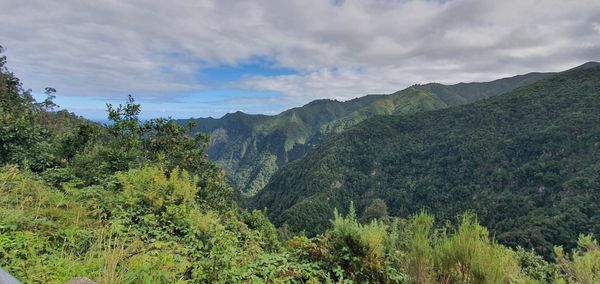
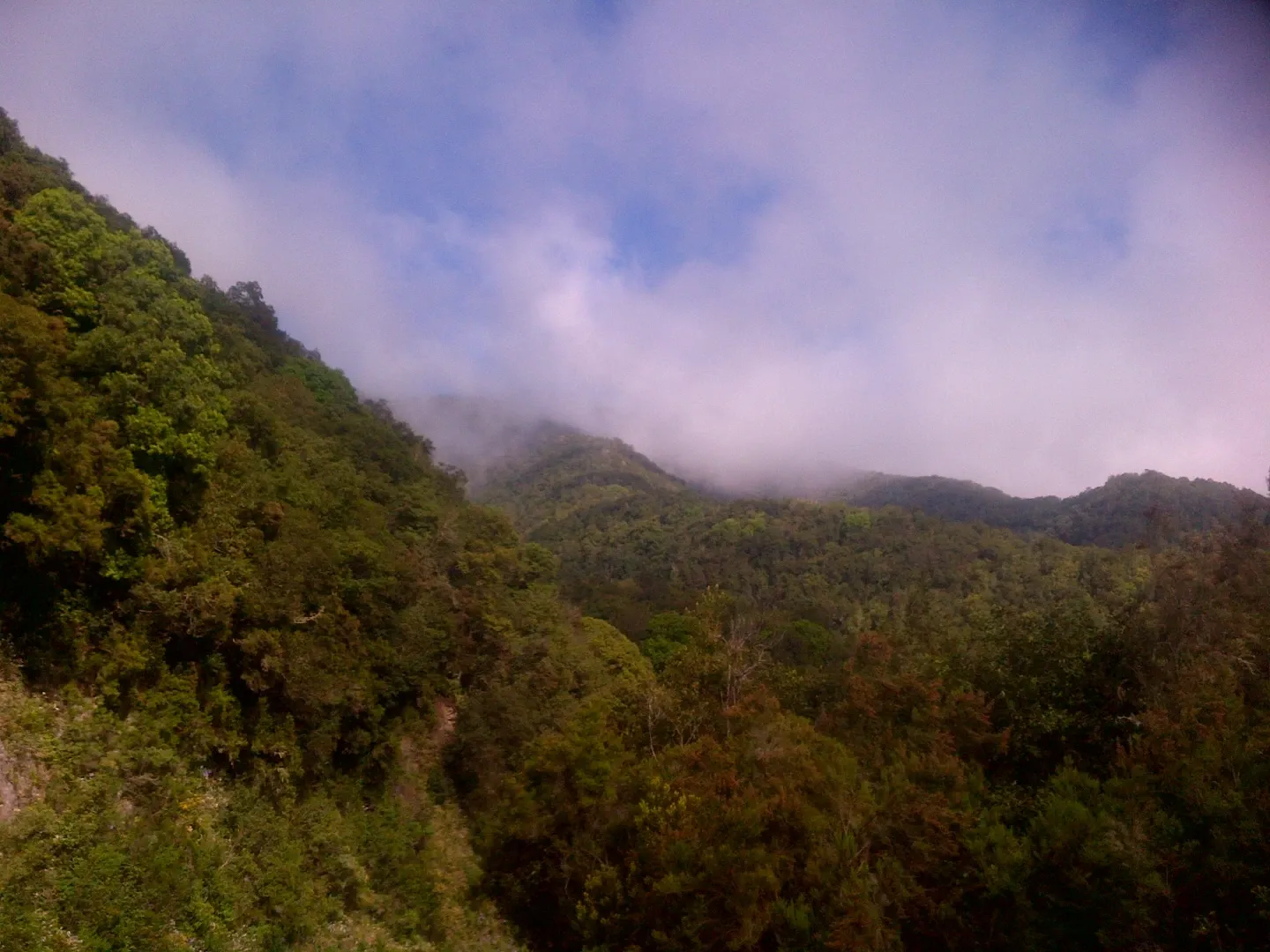
In 2002, the entire island of La Palma was declared a Biosphere Reserve, whose main objective was to protect laurel forests.
Thanks to its relatively high mean annual rainfall compared with the rest of the Canary archipelago, the island provides ideal conditions for laurisilva cloud forests. Today, these ancient woodlands can only be found across the Macaronesia region: the Canary Islands, Madeira, and the Azores.

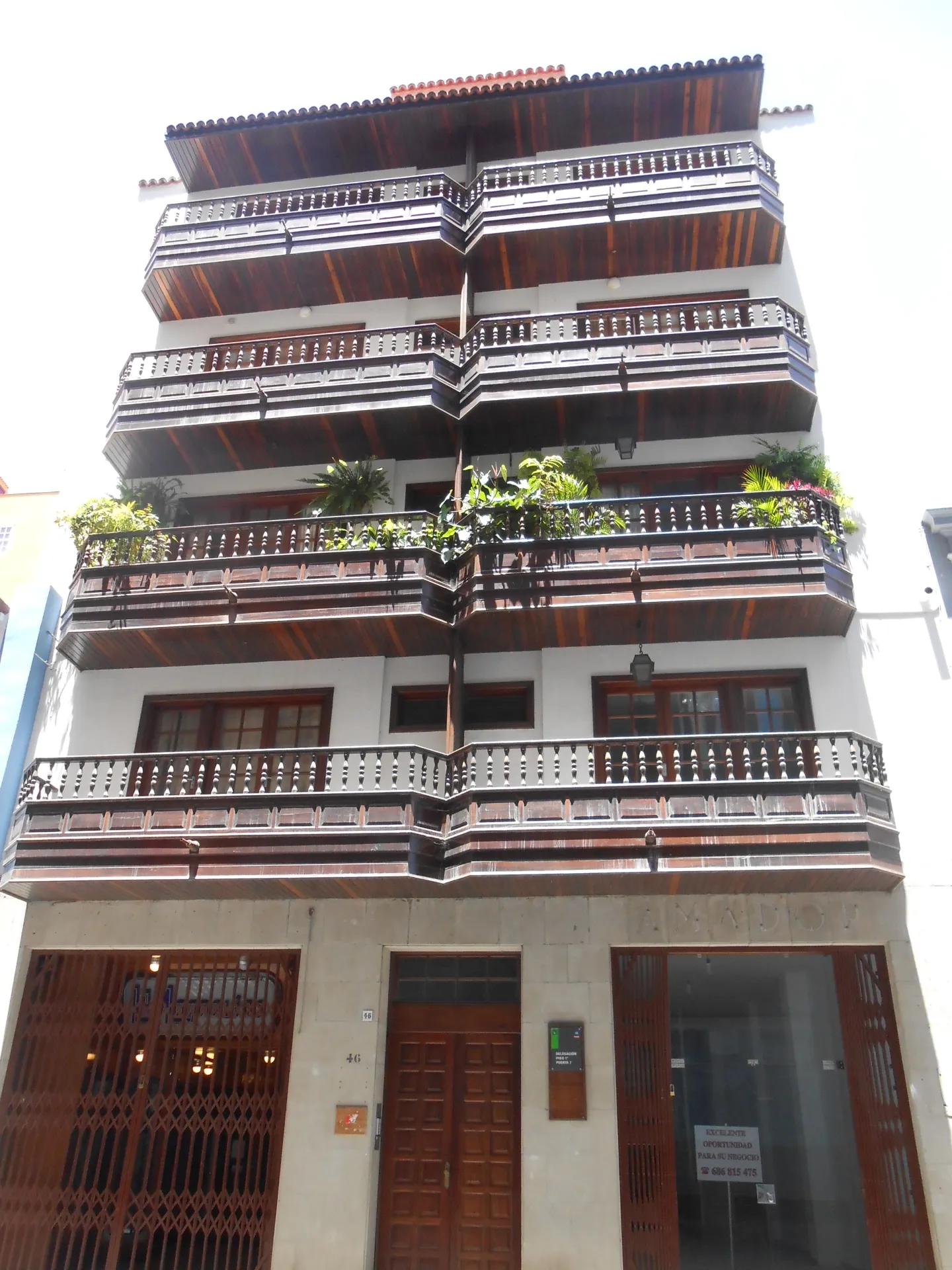
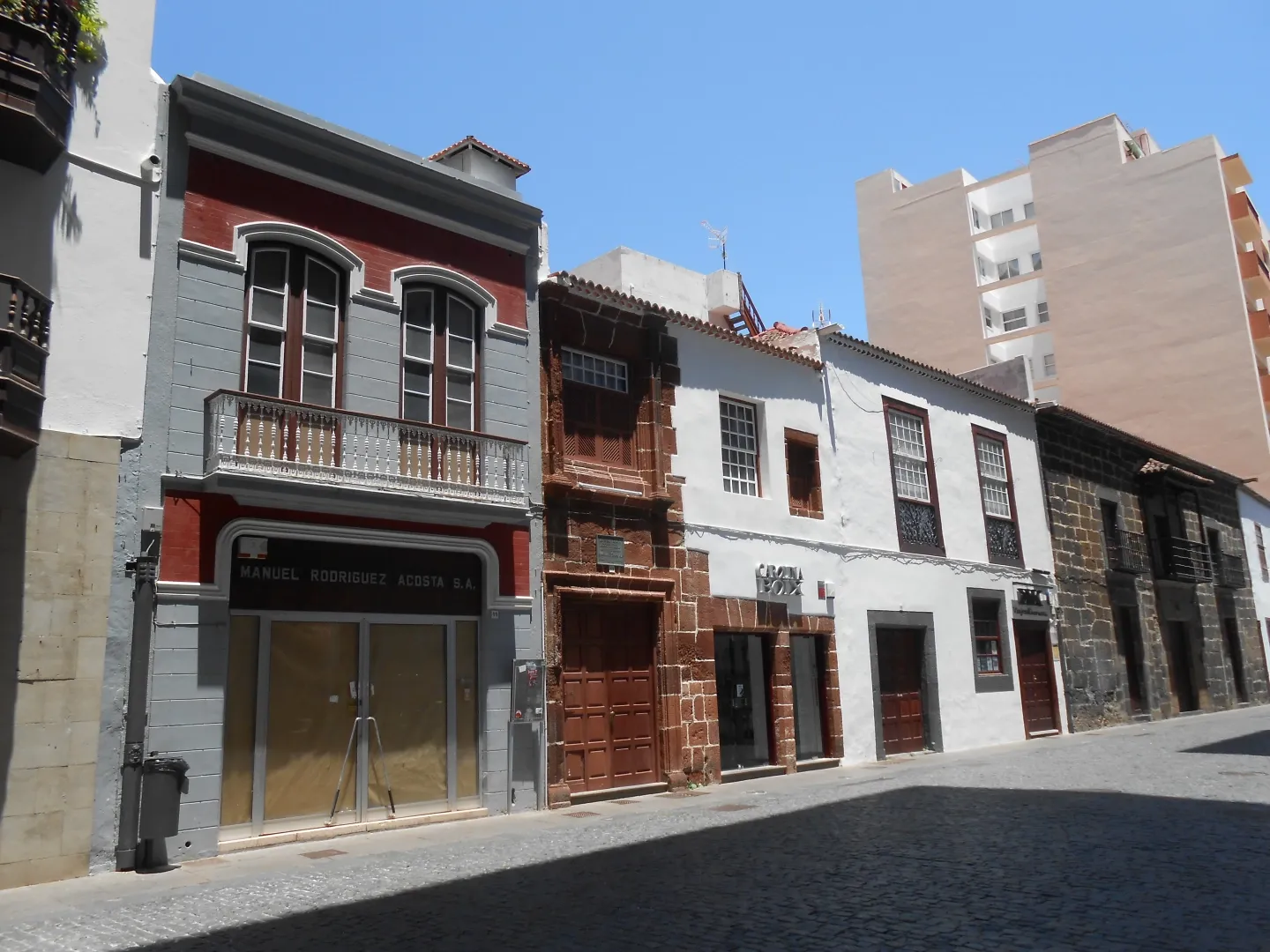
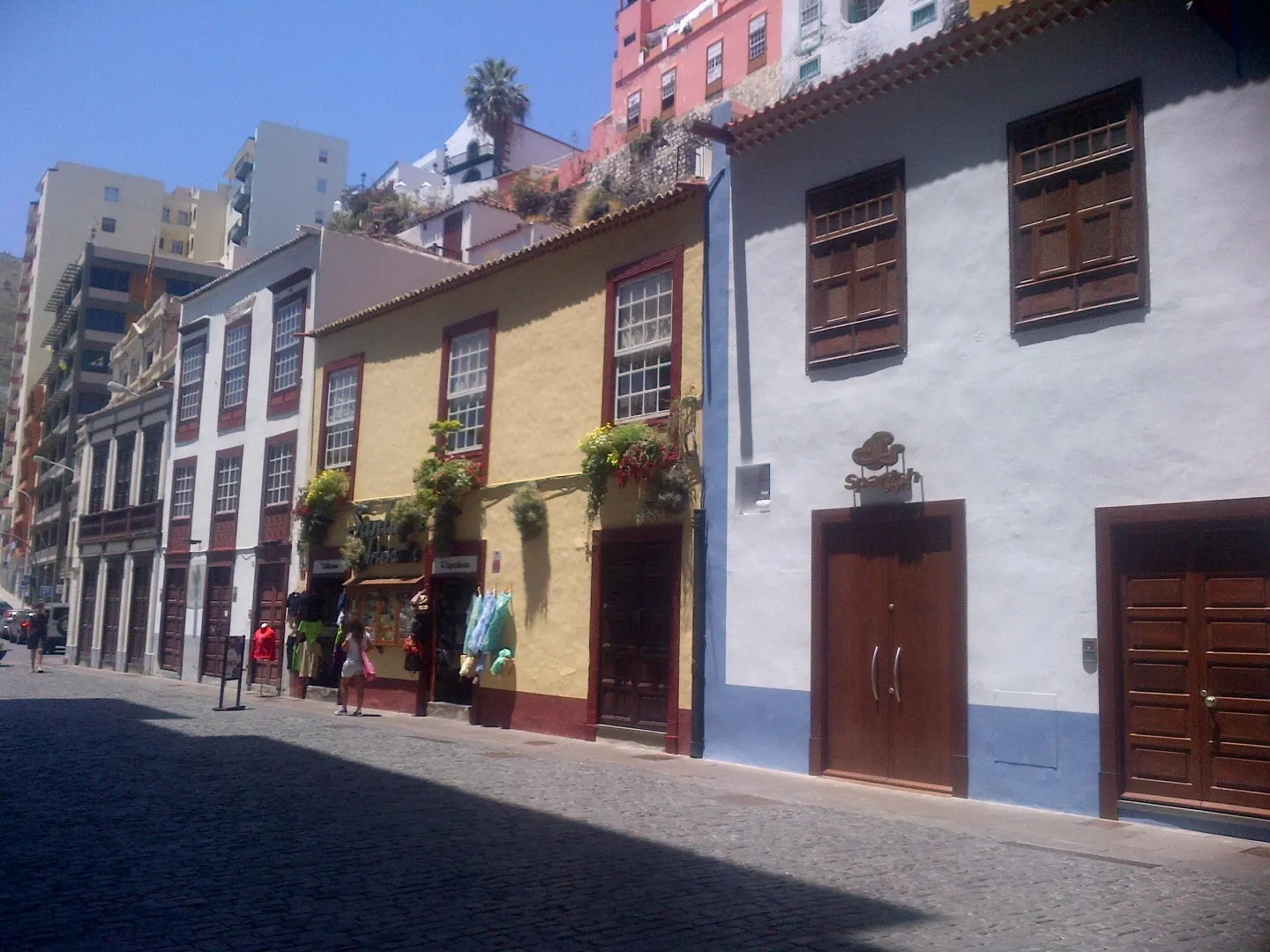
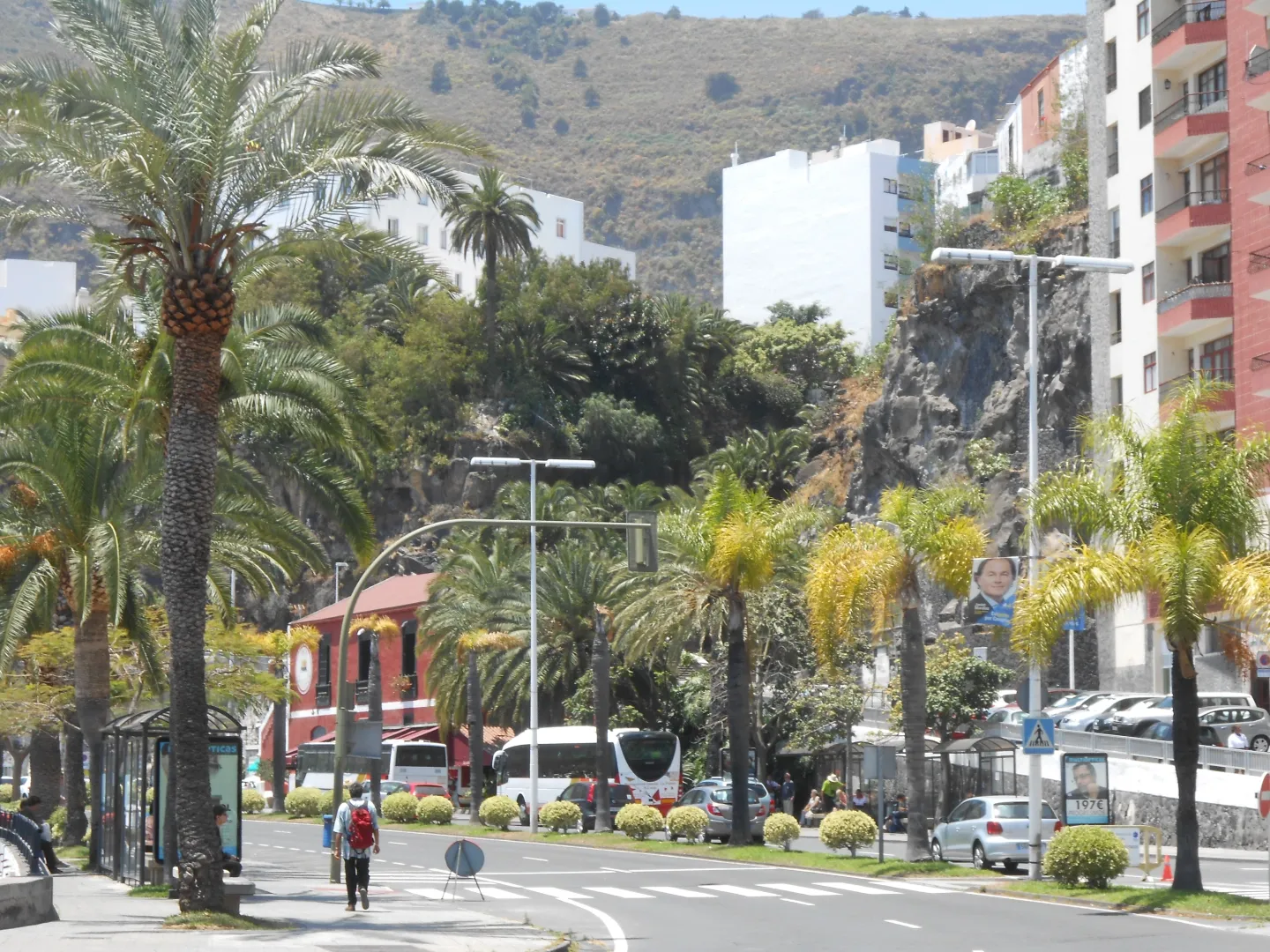
Santa Cruz de La Palma